




EU should abolish farm subsidies, research shows
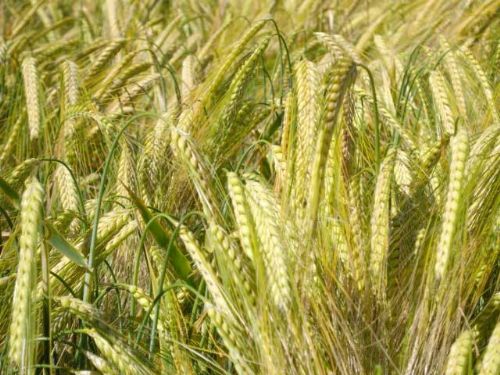
New research released today, Liberating farming from the CAP, shows that by abolishing direct EU subsidies to farmers the level of food production would increase and prices would be driven down.
The EU is currently spending €55 billion on the Common Agricultural Policy (CAP). This budget is planned to increase to €63 billion by 2020. This is an €8 billion increase at a time when we can least afford it.
With global food production facing the prospect of failing to keep pace with demand, the EU farming industry’s ability to respond positively is mired by environmental lobbying from groups such as the WWF. This holds back the growth of food production and thereby pushes up prices. Radical reform of the CAP could increase food production and help ensure prices are lower than they otherwise would be.
Current CAP policy is detrimental to Europe’s food production because:
It supports less efficient farm businesses which have neither the funds nor the inclination to invest in their businesses.
It limits the freedom of farmers to determine the most efficient cropping patterns for their farms.
It makes it difficult for the industry to narrow the gap between average and attainable yields; and
It reduces the incentives to research and adopt new technologies that will increase productivity and sustainability.
This report, written by Séan Rickard, shows that farm subsidies do not necessarily help bio-diversity and that their abolition would lead to a less than corresponding fall in farm incomes. To a large extent, subsidies become capitalised in land values, thus increasing costs to farmers. Between 1992 and 2009 – the period since the introduction of direct payments under the CAP – the value of agricultural land and buildings in the UK rose 400% compared with a 38% increase in prices generally. This suggests that one of the effects of removing direct payments would be a decline in land prices, rents and associated production costs.
The EU has articulated an ambitious strategy for Europe that sees biotechnology as key in fighting hunger and malnutrition and feeding an increasing human population on the currently cultivated land area with reduced environmental impact. Yet, the EU has positioned itself at the extreme restrictive end of the regulatory continuum concerning biotechnology thereby effectively constraining the research that will be necessary if the industry is to have the crops and techniques capable of rising to the challenges now facing global food production – EU agricultural policy is holding back improvements in farm productivity growth and competitiveness.
Recommendations
- Direct income payment for farms should be phased out (this would save €40bn a year).
- Agricultural technology should be deregulated.
Commenting on the report, Prof Philip Booth, Editorial Director of the Institute of Economic Affairs, said:
"British families are suffering hugely from increases in food prices; it is appalling that EU policies are making this situation worse.
"It is time the government took action on this issue and called on Europe to radically change course. It should abolish direct farm payments and encourage the adoption of technology to dramatically raise agricultural productivity. Calls by NGOs for more government control of food production would be totally counter-productive."
Commenting on the report its author, Séan Rickard, said:
"At a time when EU member states are desperately seeking ways to reduce public expenditure it is inexplicable that the cost of the CAP and in particular, perennial income payments to farm businesses, are not being questioned by member states. Yet the evidence is compelling: CAP expenditure is wasteful. Not only does it raise the cost of food to EU households but also it makes little contribution to visual amenities, biodiversity and sustainability".




