




Winners and losers in the latest FiTs shake-up
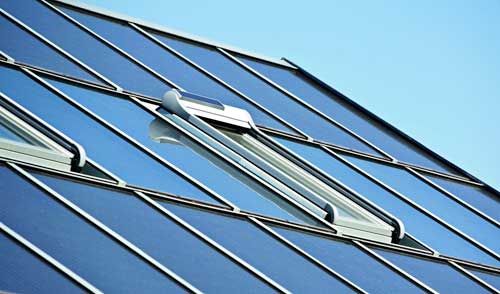
The announcement from DECC of new rates for Feed-In Tariffs (FiTs) for Solar PV, and the consultation on the comprehensive review of Feed-In Tariffs for all other technologies will impact on the sector in different ways, says Smith Gore.
In some areas such as anaerobic digestion (AD) and hydro, investment will be encouraged by holding rates steady. However in other technologies such as small scale wind and solar/PV the deal looks less attractive where substantial drops in FiT rates are proposed.
Thomas McMillan, Renewables Specialist, Smiths Gore, says:
The best news by far in the announcement from DECC is the date. We had concerns that we might see April as the cut off. An October start means that we are likely to see a lot of activity in the intervening 6 months as those who are investing in both small scale and larger schemes should aim to have them commissioned and producing power by then in order to take advantage of a higher return.
With regards to winners and losers in the proposals, Thomas McMillan says that the review for technologies apart from solar/PV, albeit only a consultation at this stage, is likely to penalise smaller systems the most, a consequence that goes against why the system was implemented in the first place. He says:
Losers:
The capping of the rate for wind at 21p/kW for small scale wind, particularly for turbines under 1.5kW (from 35.9p/kW - a reduction of 42 per cent), is going to impact on the appeal of domestic installations. Schemes from 1.5kW to 15kW and from 15kW to 100kW also will see a proposed reduction of between 17 and 25 per cent. Unlike solar/PV a significant short term reduction in installation costs of wind turbines is unlikely to occur although some small savings may be achieved. However, cost reductions could be achieved from other areas such as improved understanding of FiT technology by planning authorities (such as not applying large wind farm conditions to small schemes), improved grid connection systems, and more competitive and streamlined funding packages as more lenders join the market. In all these areas the Government needs to lend support.
There are also reductions in the tariff for larger wind schemes from 150kW to 1500kW of between 9 and 15 per cent.
Solar/PV rates also reduce to from 43.3p to 21p, a reduction of 53 per cent, for installations with an eligibility on or after 3 March 2012, whatever the Supreme Court may decide.
Winners:
FiT rates for all hydro schemes are proposed to stay virtually the same post October 2012 with very slight reductions at the top and bottom of the scale. This is right given costs of production and the fact that hydro build costs, unlike other technologies, are not going to decrease.
FiT rates for Anaerobic Digestion have also mostly been frozen, although a 9 per cent decrease is proposed for larger units. This is reasonably good news overall and should encourage uptake of more farm-scale schemes.
Micro CHP (combined heat and power) is the outright winner, with an increased rate from 11.0p to 12.5p although this technology has little uptake at present.




