




Barn owls thriving despite worst year for wildlife
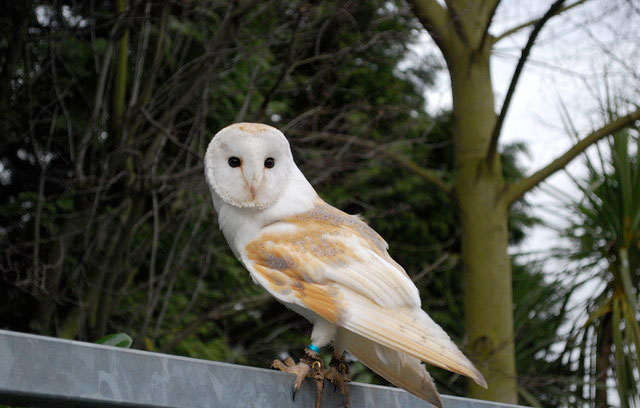
In one of Britain's worst years for wildlife, barn owl numbers have bucked the trend by increasing in numbers on farms.
An ongoing Conservation Grade research project, run in conjunction with the Barn Owl Conservation Network (BOCN), saw barn owls occupying an unprecedented four-fifths of nest boxes on participating Conservation Grade farms last year.
Over two thirds of the nesting birds bred, producing on average almost two and a half offspring for each pair.
With Conservation Grade farms growing commercial crops alongside specific wildlife habitats, Colin Shawyer, head of the BOCN, said the positive results were largely down to the rich feeding habitats - but also because the birds were able to nest near their food supply.
"We're expecting the overall national picture for 2012 to show the numbers of Barn Owl chicks surviving to adulthood will have been slashed by two thirds thanks to the appalling weather, which will have prevented them feeding their chicks," he explained.
"That's what makes these results on Conservation Grade farms so rewarding.
"Having the right habitats to support the birds' prey is critical to their survival, but as Barn Owls are quite 'sedentary' and like hunting close to home, it's also important to have the nesting site and feeding site within easy reach.
"With such a high occupancy rate in these boxes, the indications are that - weather permitting in 2013 - breeding numbers will continue to increase above existing levels, which are already among some of the best in the country."
Brin Hughes, Conservation Grade's farm advisor, says most agri-environment schemes specify grassland areas, but it's also important to have nesting sites close to the habitats.
"The right mix of tussocky, rough grass provides shelter and food supply for the small mammals Barn Owls like to feed on, so getting that right has a beneficial knock-on effect right up the food chain.
"The Conservation Grade protocol specifies two per cent of land should be put down to these types of grasses, and four per cent to pollen and nectar mixes, which also supports small mammals. But we also strongly encourage the setting up of these nesting boxes nearby."




