




Concentrate on establishing rape and then move to post-em weed control
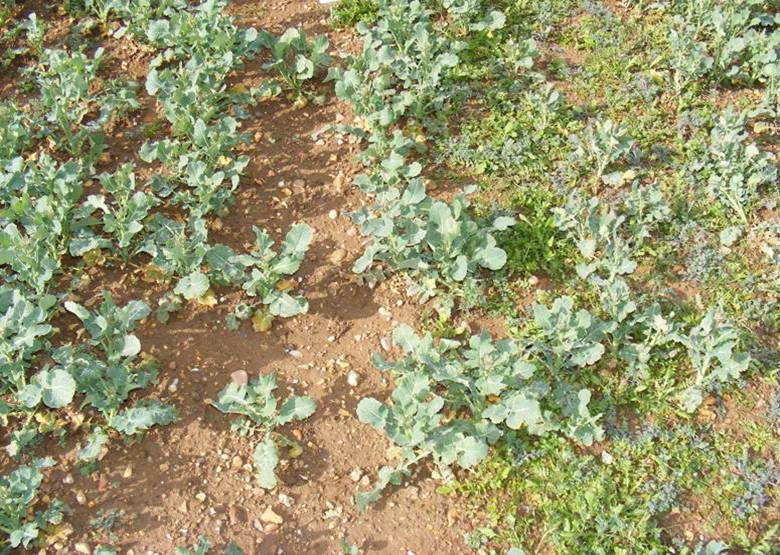
With such a difficult wheat harvest and not the easiest of drilling conditions, growers need to concentrate on getting their oilseed crops into the best seedbed they can and then look at weed control options.
"ADAS report that just 5% of the intended oilseed rape had been planted by the end of August, so it is already a late season for drilling rape. But all the evidence points to good establishment as a pre-requisite of a successful oilseed rape crop and the crop is worth persevering with from a practical point of managing harvest on farm in 2009 in addition to its favourable gross margin. We are advising growers to focus on getting the best seedbed that they can and not to concern themselves about getting their herbicides on pre-emergence of the crop. The priority is drilling and seedbed preparation," says Clare Tucker, Agronomy Manager for BASF.
"Unlike last year when conditions were dry at planting, one saving grace is that soil moisture is good and soils are warm. Consequently crops are coming through very rapidly, which is good news. But these late drilled crops are vulnerable to weed competition and need treating with a post-emergence herbicide as soon as possible once crops have emerged. The key oilseed rape herbicides such as Novall (metazachlor and quinmerac), Springbok (dimethenamid-P and metazachlor) and Shadow (dimethenamid-P, quinmerac and metazachlor) can all be applied post-emergence once the crop has reached cotyledon stage and offer a broad weed spectrum at this post-emergence timing," says Clare.
"But don"e;t delay any further - once the crop is at expanded cotyledon, early weeds such as Chickweed, Shepherd"e;s-purse and Crane"e;s-bill will also be emerging – these must be targeted by cotyledon stage."
"Cleavers tend to be later germinating but Novall and Shadow will give good persistence over the autumn. Cleavers are the most competitive weed of oilseed rape with a yield threshold for treatment of just 3 plants per m². They are a major nuisance at harvest, wrapping around the crop and tangling the combine, increasing harvest and labour costs. Once past this early post-emergence stage, weed control options are very limited and tend to be more variable," advises Clare.
With late drilling and the need to get the crop off to a good start, early weed control is vital to the overall success of the crop, but this year it will be an early post-emergence year rather than a pre-emergence year," says Ms. Tucker.
Clare also reminds growers that alongside rapid emergence of the crop comes rapid emergence of cereal volunteers and Black-grass. "Aramo (tepraloxydim) is one of the most widely used post-emergence graminicides. "Being a "dim" herbicide, it remains the best post-emergence choice against Black-grass where both target site and enhanced metabolism resistance is suspected. It will also control other grasses such as Wild-oats, Sterile Brome and Perennial Rye-grass. It can be tank mixed with Springbok or Shadow but take care not to delay the application and miss the timing on the broad-leaved weeds."
For further information please contact Clare Tucker, BASF on 07768 687707 (mobile) or by email at clare.tucker@basf.com




