




Control rats now to avoid a population explosion
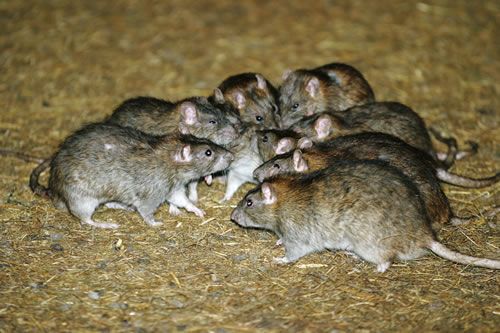
Longer days and rising temperatures are turning rat’s minds to procreation as they aim to replace colony members that did not survive the winter.
With no food in the fields to tempt them out, rats will stay close to a reliable feed source, with females giving birth and nurturing their brood in farm buildings.
Rodent experts are advising farmers to clear out rats now before numbers start to escalate.
"Start by monitoring activity to find out where rats are living, drinking and feeding, and the routes they travel between these areas," says PelGar International’s Nic Blaszkowicz. "Fresh footprints in the mud, droppings or new damage are key signs.
"Place bait stations in areas of most activity – the more the better. Fill with a rodenticide that matches what they have been eating eg Roban Whole Wheat bait where loose grain is being eaten, or Roban pellet bait where animal cake has been targeted.
"Allow a few days for the rats to become accustomed to the bait stations, then inspect every one to two days, topping up any that are empty immediately. Do not skimp on bait as under-dosing will cause the campaign to fail.
"Any untouched baiting stations should be moved after five to seven days to areas where there is greater activity. Consumption of bait should decline after ten to 14 days, depending on the level of infestation. Keep bait stations topped up until no more bait is taken, before emptying them.
"All bait stations must be protected from all non-target species such as birds, dogs, cats and children. Collect any dead rodents daily and dispose of according to manufacturers’ instructions."




