




GM content of shipments to the EU relaxed
A European Union regulatory committee has finally reached agreement on a move to prevent further damaging disruption of feed imports.
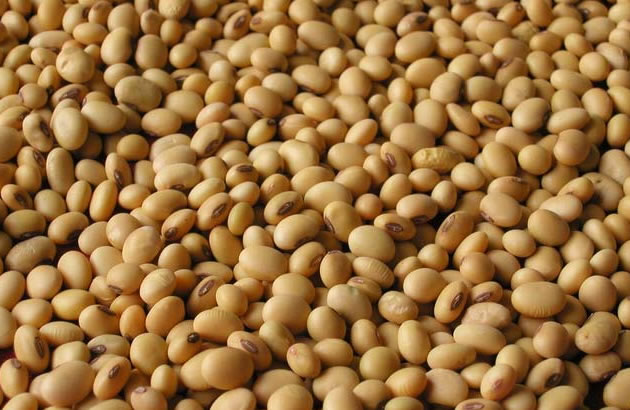
The Standing Committee on the Food Chain and Animal Health (SCoFCAH) has agreed to relax the existing rules governing the GM content of shipments to the EU. Until now the union has operated a zero tolerance policy. Shipments found to have any trace of non-EU approved GM material have been refused entry. In 2009 several shipments of soya beans from the United States were impounded following the discovery of small traces of unauthorised GM maize.
With shippers reluctant to send cargoes to Europe only to have them turned away, the issue has threatened to cause major problems for the livestock industry. Peter van Horne, economic analyst with the International Egg Commission, warned of huge increases in feed costs unless the issue was resolved. Egg producers are particularly reliant upon soya imports from the United States and South America.
The EU standing committee has now agreed a policy that would allow a 0.1 per cent contamination threshold for unauthorised GM products in feed imports. The move has been welcomed by farming organisations in the United Kingdom, although the NFU fears that the move may not be enough to solve the problem
"The change only applies to the presence of material for which EU import licences have been applied, but not yet approved," said NFU director of policy Martin Haworth "Increasingly companies are simply not bothering to apply for licences in the EU - particularly for maize - since the process is long and costly and the major markets are in Asia not Europe."

He said, "The new rules also only apply to imports destined for feed, not food, when you can’t always tell the final destination of maize.
"Finally, the GM material has to be one that has not been identified by the European Food Safety Authority as being susceptible to having adverse effects. We do not know how this will work, but there is a clear potential here for more delays and bottlenecks.
"As GM acreages increase globally, and new varieties come onto the market, there needs to be a pragmatic and workable system in place to deal with the traces of unintended GM material found in globally-traded bulk commodities such as soybeans and maize.
"Unless we find an effective solution to this issue we risk making the whole of the European livestock industry uncompetitive over time."
NFU Scotland said it remained to be seen whether the new rules would be sufficient to bring down the cost of imported vegetable protein.
NFU Scotland’s pigs and poultry policy manager, Peter Loggie said, "It appears that after a sustained period of lobbying, some more sensible thinking has emerged on the presence of not yet approved GM in feed shipments. Member states have finally agreed to relax the rule on traces of such material that may be found in imported feed. NFUS hopes that this will take some of pressure off animal feed costs.
He said, "Until now, Europe’s zero tolerance approach had restricted feed imports from countries where new GM crops are widely grown, most notably in Argentina, Brazil and the United States. Even with thorough cleaning of the boats used for transporting materials, it is almost impossible to avoid trace contamination. Given that the EU needs to import almost 80 per cent of its protein requirements for livestock from those countries it is no wonder that UK farming unions have campaigned for years to introduce a low level of tolerance.
"The percentage is a step in the right direction but could still prove too low, as the rocketing cost of shipping feed material from these countries and the bureaucratic hassle that entails when shipments are rejected has meant that third countries have begun developing markets elsewhere, largely in Asia, where livestock production is growing and where the process of gaining approval for new GM varieties is more rapid than the tortuous EU system."
The NFUS says that the new measure highlights the hypocrisy of EU legislation in that livestock products from animals fed on a 100 per cent diet of GM material not approved in the EU can still be imported. It says the EU’s own research indicates that GMOs do not represent a greater hazard to human health or the environment than their conventional counterparts."
Following the disruption of US soya shipments in 2009 the European Commissioner for Agriculture and Rural Development, Mariann Fischer Boel, warned European agriculture ministers that the problem would get worse unless something was done. She said at the time that the reported incidents were the tip of the iceberg.
"For the moment, the issue of low level presence of EU-unathorised GMOs concerns soya imports from the USA and, as far as feed is concerned this summer, it’s only one unapproved GM maize variety that is involved. However, we have to be aware that in the future the problem will get worse as it may extend to other products and other countries. The Joint Research Centre of the European Commission is talking about an increase in the number of GM currently commercialised worldwide from now around 30 to 120 in 2015."
Opponents of GM says the EU standing committee has ignored the wishes of the public in relaxing the rules on cross-contamination.
Pete Riley of GM Freeze said, "EU member states have failed to respect the wishes of their citizens – the majority of whom remain opposed to GM crops entering the food chain. Instead they have been swayed by the hyperbole of industry into weakening the GMO regulations.
"The presence of GM maize aimed to supply the ethanol industry not the food industry raises the very real prospect of contamination of feed with GMOs, which are potentially harmful. Food contamination will surely be inevitable as standards are relaxed. The UK government’s support of the EC will be remembered if there are problems in the future and the UK’s food manufacturers, retailers and consumers will know who to blame," he said.
GM Freeze dismisses the argument that the zero tolerance policy is a threat to feed imports. It says that only 0.2 per cent of all EU soya imports have ever been rejected because of it. None have been rejected since June 2009, it says.




