




How free range became wide range
Once there was just free range. Now there is such a range of free range products that consumers can choose between an estimated 35 different types.
There are eggs from specific breeds of hen—like Columbian Blacktails or Cotswold Legbars. There are eggs laid by hens in particular conditions like Woodland. There are eggs from specific areas—like the South West or Lincolnshire. There are eggs from flocks fed on special diets—like Corngold and there are eggs which have particular health benefits like Columbus.
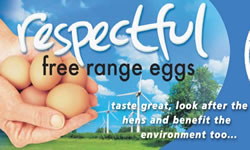
And now there are even eggs that promise to be carbon neutral. Stonegate has just unveiled Respectful eggs which "minimise adverse impact to the environment and which ensure greater care and attention in the rearing of animals".
The mobile sheds are powered by wind and solar power (with back up generators run on bio fuels) and the feed is home milled from wheat grown within 10 miles of the Lincolnshire farm. The eggs are sold by Asda which says they fit with its "sustainability policy".
The creation of these dozens of niche lines has obvious appeal for everybody involved in the supply chain. For the supermarkets it means they are able to differentiate the eggs they offer clearly from the opposition. So just as Sainsbury's has adopted Woodland with an emphasis on bird welfare Tesco is now developing their own Willow Farm brand which promotes the corn-based diet of the birds that lay the eggs. Supplying a specifically tailored product also helps cement the supermarket's loyalty to the packer. And with an average price of five per cent above 'standard' free range there are also obvious economic benefits for all concerned.
The growth of regional brands—they now include Scottish and Welsh eggs as well as just about every area of England—feeds into the growing consumer interest in local food and in reducing food miles.
Overall the proliferation of brands also acts as a brake on the now inevitable descent of free range from a niche brand in itself to the major commodity in the egg market.
And it may yet do something that was never intended. It may act as defence against foreign imports on the basis that European producers will never be able to offer Yorkshire Eggs or other specific British brands.
But with so many free range varieties now on offer the big question for marketing experts is whether the niche movement has gone as far as it can.
And they generally agree that it has. Some believe that it has already gone too far.
"I certainly think we are reaching saturation point," says Geoff Cooper, sales director of Deans Foods. "I am sure that new initiatives will continue to be developed but I believe that other products will have to give way. The free range shelf in the supermarkets is beginning to get a little congested."




