




Meat authenticity measures announced
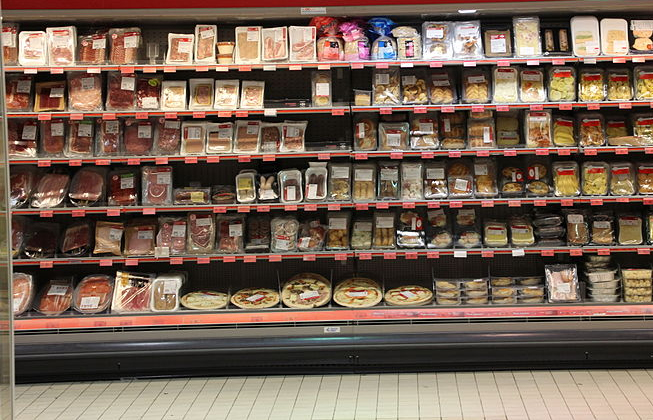
A new protocol for the survey of food authenticity in processed meat products has been announced by the Food Standards Agency.
The protocol was drafted in collaboration with the Department for Environment, Food and Rural Affairs (Defra).
Recent revelations hit the industry as horsemeat was found in beef burgers sold in UK and Irish supermarkets.
The news led to the National Beef Association to call for changes to rules concerning the labeling of food products.
"If a high proportion of horsemeat can find its way into a beef burger who is to say what else might happen on packing lines used by companies that process cattle from more than one country and sell a range of products containing a wide variety of cuts taken from different parts of the carcass" said Hamish McBean, NBA national chairman.
The survey will use specialised analytical techniques to provide information about the possible presence of horse or pig DNA in a range of beef products available to UK consumers.
It also aims to identify and understand factors that may lead to the presence of meat species that are not labelled as an ingredient, so that this can be explained, eliminated or correctly labelled.
This work is in addition to the preliminary sampling work that has already taken place.
It is planned that 28 local authorities across the UK will take a total of 224 samples in accordance with a detailed protocol.
The Farmers' Union of Wales welcomed the publication but called on the watchdog to 'further refocus' its work on tackling mislabeling and fraud.
"Those involved in and who have profited from fraudulent mis-labelling at every level of the supply chain should be punished" said FUW President Emyr Jones.
The aim of the protocol is to select products that are representative of goods on the market.
The samples will be taken in such a way that, if necessary, enforcement action can be taken to protect consumers.
The FSA will publish the results from the study, including brand names, and will disclose any formal action taken.
Jones said the revelations highlight concerns that the FSA has been preoccupied with issues which should not fall within its remit while allowing disturbing practices such as this to go on undetected.
"For many years the FUW has expressed concerns regarding the FSA's drive to see products which form part of a healthy diet, such as red meat, cheese and Marmite, branded as unhealthy."
He also highlighted the pressures exerted on suppliers of local food such as small abattoirs and butchers during the FSA review of its charging arrangements.
"Businesses are already paying huge charges to comply with food standards requirements and if these were increased they would have a catastrophic impact on small and medium sized businesses, including local butchers."
"Ironically, such charges play straight into the hands of those who have been found to be producing and selling inferior mis-labelled products."
"It’s time for the FSA to refocus its efforts and concentrate on what consumers genuinely regard as food standards."
Beef farmers in Northern Ireland have been persuading retailers not to skip product information on retail package labels.
It is anticipated that a full analysis of the results of this survey will be published in April 2013.




