




PGRO Pulse Crop Bulletin - 24/06/2011
Becky Ward, PGRO senior technical officer, advises:
Pea midge
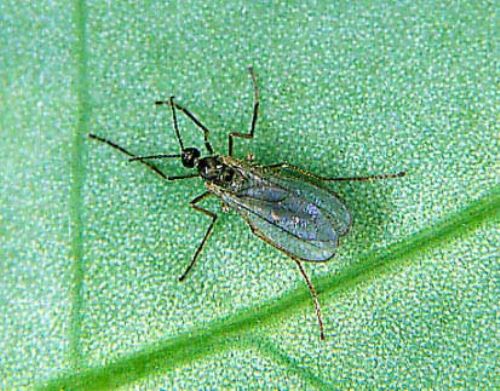
There have been reports of pea midge emergence in the eastern pea growing areas. Check crops for the presence of pea midge by pinching together the flower buds and opening them out. Adult pea midge may be found inside the enclosed bud. If midges are present, spray as soon as possible with a suitable pyrethroid insecticide.
Yield loss can be up to 50% where infestations are high. Susceptible crops are those which are at enclosed bud stage.
Bruchid beetle control
Bean crops remain susceptible to damage by bruchids whilst still flowering. Most winter and spring bean crops will have had the first insecticide application to control the pest. Second sprays should be applied 7 to 10 days after the first. A third spray may be required this year due to extended flowering and early emergence of insects.
Pea moth
Pea moths continue to be active and thresholds will have been reached in traps in many areas. Crops for seed and human consumption should have had an insecticide application at the first pod growth stage. A second spray should be applied 10 to 14 days after the first.
Aphids
Numbers of pea aphids are increasing. Combining peas should be treated with an aphicide when 20% of plants are affected and vining peas when 15% of plants are affected.
In combining peas, the application may coincide with second pea moth sprays, and half rate aphicides may be sufficient when combined with full rates of contact acting pyrethroids for moth control. Combining peas are susceptible to yield loss up to 4 podded trusses. Always check labels for harvest intervals, particularly in vining peas.
Black bean aphid colonies are present in crops and are relatively easy to control by aphicide sprays. Because spring beans may still be flowering, the choice of aphicides is limited to those which will not harm pollinating insects. Colonies first develop on headlands but, where a general infestation of 10% of plants are colonised, spraying should be carried out as soon as possible.
Pea diseases
Most combining pea crops are reaching the end of flowering and, in some areas, rainfall has been significant and the night conditions are humid, favouring leaf and pod spot infection.
Treatment at this stage will give protection, and there are a number of approved fungicides to choose. Cyproconazole plus chlorothalonil will also give good protection against powdery mildew, which can be a problem in late maturing marrowfat varieties. In vining peas, the risk of Sclerotinia will increase where local rain has occurred and temperatures remain high. Treatment to protect against Botrytis and Sclerotinia should be made to susceptible crops as they reach the first pod stage. Check with processors before treating.




