




Price cut plunges egg producers into the red
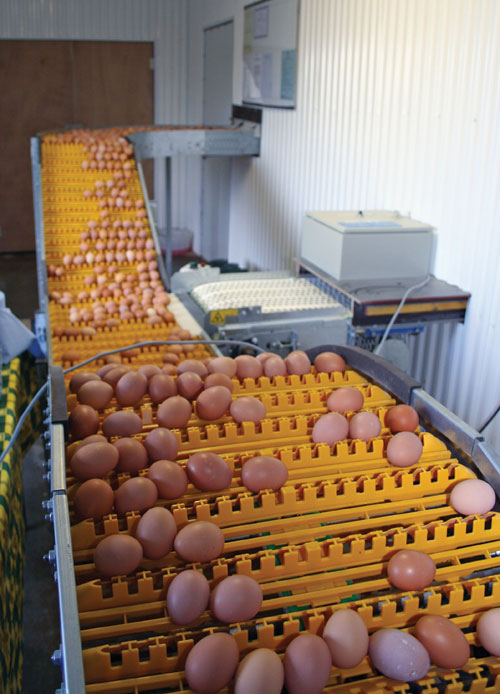
A drastic reduction in the price Noble Foods pays for free range eggs has left producers who supply the packer now losing money, calculates BFREPA.
The shock move comes less than 12 months since Noble – the UK’s biggest packer – announced to producers "the largest increase we have ever seen in our industry". It can now claim to have implemented the largest decrease in recent times, knocking 10 pence a dozen off Very Large and Large and 5 pence off Medium eggs.
Noble’s justification for the action is falling feed prices along with difficult market conditions caused by an over-supply of eggs and what it claims is weak selling by some of its competitors.
"In addition to falling feed prices over the last few months we have also had to contend with both increasing surpluses of free range egg in the market place and the significant growth in regional producers and packers who consistently appear to offer prices below established market levels," said Noble in a letter to suppliers.
Noble also claims that the "heavyweight promotional activity" it has undertaken in response to market conditions has reduced its average selling prices.
Worryingly for its suppliers, the letter hints at the possibility of a further reduction in the producer price. "We have attempted to limit the level of this price reduction and will continue to review our pricing structure in the light of further changes in market conditions over the coming weeks," says Noble.
Using the Ranger price profile, based on 64 grams egg weight at 5 per cent seconds, the price-cut has reduced Noble’s weighted average egg price from 90.91 pence a dozen to 83.40 pence. Even after taking the latest reduction in feed price – with the average cost of a tonne of layers meal now £210 – Noble’s action has resulted in margins being slashed to minus 66 pence a bird. (See BFREPA costings on page 65)
But this is not how Noble views the situation. "We firmly believe, based on our own costs of production, that well run free range businesses will offer a satisfactory level of ongoing return which will also continue to encourage expansion within the sector," it informed suppliers.
Commenting on the variance between Noble’s assessment of the financial situation now facing producers and that of BFREPA, Association chairman Tom Vesey said: "I can only assume they are taking feed at the spot price. But there are very few producers who buy feed in this way and the big drops seen in the raw material market – particularly wheat – are yet to filter through to producers because compounders are using stocks bought when the market was higher.
"Our costings reflect what we believe is the true situation facing producers and at best that has meant reductions in feed of around £20 a tonne – and that includes producers who buy feed from Noble. We don’t attempt to massage the figures and that is why we are happy to publish the costings.
"Whilst we fully anticipated there would be pressure on the egg price once feed costs began to ease we didn’t expect the sort of drastic action taken by Noble," went on Tom. "And as for their prediction that the sector will continue to expand based on current returns, I think they are way off the mark.
"This will have knocked the stuffing out of producers’ confidence and with 2012 looming fast, it hasn’t come at a good time. Not only will the ban on conventional cages lead to an increased demand for free range, at the same time the reduction in stocking rate to nine birds for those producers still stocking at 11.7 will put further pressure on supplies. Producers are only going make the investment required to meet the market demand if they are confident they will see an adequate return."
*At the time of going to press, Stonegate and Fridays, the UK’s second and third largest packers respectively, had not reduced their prices but told the Ranger that producer prices were under review.




