




Research programme to help understand the ‘Amistar greening effect’
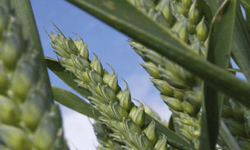
Ongoing research programme is examining the physiological effects of Amistar in the field
AN ongoing research programme that seeks to shed fresh light on the additional benefits – on top of disease control – of using the leading strobilurin fungicide Amistar on cereal crops is expected to bear fruit during 2007.
The programme, which combines previous laboratory research and new field based studies, sets out to find answers behind the effects of Amistar on factors such as extended crop greening and resistance to plant stress.
"For a number of years there have been laboratory suggestions that certain strobilurins have a beneficial role to play on crops due to so-called physiological responses," explains Syngenta cereal disease specialist, Matt Pickard.
"With this programme of Amistar research we have attempted to delve into these and look at what the physiological mechanisms seen against plant stress in the laboratory might mean in the field.
"In short, it aims to help provide answers to growers of what else they could get from Amistar, besides broad spectrum disease control, when they apply it to their crops."
So far, Mr Pickard says initial results look very promising, and results of the research should be available later this spring. As well as controlling rusts in cereals, he says Amistar also continues to provide important activity against take-all and a range of yield and quality-sapping ear diseases in wheat.




