




Tighter calving pattern boosts returns
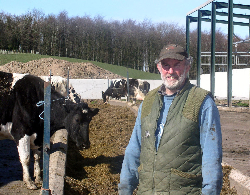
A change in system to give a tighter calving pattern for their 280-cow dairy herd is on target to increase returns by an estimated £9,000 for a North Wales couple.
Henry and Audrey Morgan are following a New Zealand approach on their 270-acre Fardre Farm at St George, Abergele, Conwy. They aim to maximise the cheapest feed of all – grass – from their long-term leys and permanent pastures by spring block-calving and turning the cows out very early in the season.
While the topography of their farm suits this approach, they recognise that the type of cow restricts the extent to which this system can be adopted, so they are increasing the number of Jersey and New Zealand Jersey-crosses, via AI and their own bull, as replacements to their mainly-Friesian herd. They believe smaller, hardier animals will utilise grass and forage more efficiently.
However, the maintenance of fertility to achieve a tight calving pattern is essential to such a system. A TMR of grass/wholecrop silage with a protein supplement plus minerals and vitamins is offered at key periods to balance the high-quality grass and maximise its utilisation.
Calving starts in early February with cows being turned out — weather permitting — four days after giving birth. At Fardre Farm grazing comes into full swing by 1st March.
The Morgans felt they needed to focus particularly on the areas of heat detection and conception rates. After discussions with their feeding adviser, Alwyn Humphreys of Independent Forage Systems, they decided to investigate omega-3 fish oils, which are well known for the role they play in enhancing fertility.
With a number of products on the market they found a source using oils derived from fish caught in warm waters as these contain higher levels of the vital EPA and DHA Omega 3 fatty acids than fish from the colder northern waters, such as salmon and cod.
Alwyn advised using Omega ME from supplement specialists Ufac-UK and the cows were fed 500g per head in the TMR buffer feed for 28 days before serving, starting at the beginning of May, at a cost of 14p per cow per day.
"It became noticeable within a few days of feeding that the cows were bulling actively. The bulls were turned in briefly before the AI period and, following the main flush, were put in to 'sweep-up' at weekends.
Weekly monitoring of servings was carried out. Cows will calve between 6th February and end of May, giving a significantly tighter calving pattern compared with the previous season. Monitoring of records showed that the number of cows calving within the required 12-week period will increase by 70.
Using Reading University figures which show the cost of infertility averages £125 per cow in the herd, the Morgans calculate this will save them around £9,000, from which needs to be deducted the cost of the product at £3 per head. But they also feel the new system has already contributed to an increase in milk yield — possibly just under 0.5 litres per day which will also boost returns.
Last year the herd had an average 4.2 per cent butterfat, 3.45 milk protein with a 6,500 litre yield. They also point out that the new system has brought management benefits — fewer slurry problems and, with the new genetics, healthier, hardier cows with less poaching.
And for the Morgans there's an improved lifestyle — the cows are dried off in December so they have two months free of milking!




