




Time to check fields now as grass and weeds start growing
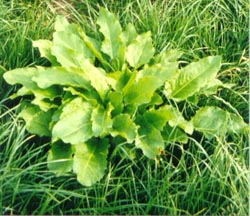
An explosion of perennial weeds is forecast this spring which will affect grass yields for silage and grazing. Last year's hot dry summer resulted in many swards being thinned out by the drought conditions, according to grassland specialists Dow AgroSciences.
The dry weather further damaged grassland by reducing the opportunity to spray in the autumn, giving perennial weeds a chance to get established. Livestock farmers should start looking out for early signs of docks, thistles and nettles growing in grassland and plan their control tactics against these perennial weeds for this season.
"Walk around your fields and assess how the grass and weeds have come through the winter," advises Vaughn Stansfield, grassland agronomist with Dow AgroSciences. "In addition, annual chickweed is likely to be the major problem in last autumn's newly-sown leys and, if not treated last year, will need treating early this spring.
"At the same time look at which fields are going to need re-seeding this spring, bearing in mind the possible poaching at the end of last year and any flood or water-logging damage experienced this winter."
Mr Stansfield suggests that farmers ask themselves one simple question: how successful was my weed control last year?
m/f …
-2-
Weed problems can be controlled by a simple strategy that is based on long-term control, rather than quick short-term fixes, which usually result in strong re-growth of the weeds often in the same season and in following years.
Long-term control is possible, however, through herbicides that get to the root of the problem, such as Doxstar to give robust control of the two common species of docks and chickweed, which is the most competitive annual weed in grassland. Where a broader spectrum of weeds needs to be treated use a herbicide, like Pastor, for controlling thistles, docks and nettles and a range of annual weeds.
Early timing of application is crucial to catch the weeds at the correct growth stage, allowing grass growth to steam ahead unhindered by weeds, which compete for light, nutrients and moisture.
He recommends that farmers begin by prioritising problem fields and start a programme of control this spring. Where perennial weeds are concerned follow up treatments will probably be required in the autumn or spring 2005. For highly established populations of these weeds treatments will need to be repeated over a number of years.
"Grass is still the cheapest form of feed, so why compromise its quality? Improve the quality of a field by taking out the weeds and that will increase grass and forage intake to give better productivity and better margins," says Mr Stansfield.




