




Wheat genome alone 'will not improve food security'
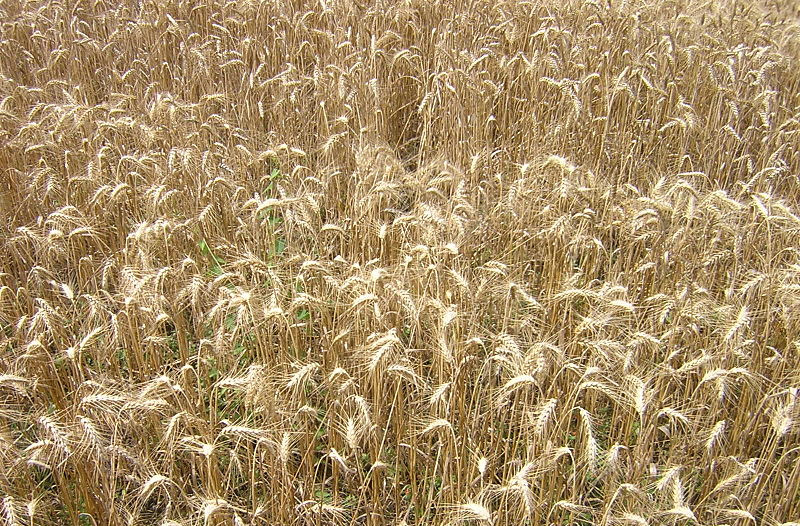
Governments and scientists should not rely on wheat genetics to improve food security according to GM Freeze.
The warning follows the announcement that scientists have taken another step toward sequencing the wheat genome.
Investments have been made by the BBRSC and the Bill and Melinda Gates Foundation.
Yet the UK investment in soil research amounts to 1.25% of the country's total annual R&D budget.
Similarly research into moving away from prairie style monocultures and developing more biodiverse and resilient methods of crop husbandry, as advocated by the International Assessment of Agricultural Knowledge, Science and Technology for Development, is not receiving the same level of public funding as GM and genomics.
Completing the sequencing of the wheat genome will allow traditional plant breeding to introduce beneficial traits much more quickly using marker assisted selection, provided that access for all to the technology and knowledge is not blocked by patents.
Existing wheat varieties are capable of very high yields already.
However soil conditions, weather and an army of pests and diseases means that yields are well below the optimum, even when large amounts of artificial fertilizers and pesticides are applied.
"I welcome this news" said Lincolnshire arable farmer Peter Lundgren.
"This moves us on from the sterile GM era where the only beneficiary was corporate profit towards an era where biotechnology in the hands of responsible scientists has the potential to deliver what I need as a farmer to produce safe food profitably and sustainably."
Pete Riley of GM Freeze said: "Traditional plant breeding using genomics and marker assisted selection has the potential to improve wheat yields faster and with fewer risks than GM, but only if prevailing environmental conditions are right."
"Very little effort is put into ensuring that crops are grown in optimum conditions. Soil management needs urgent attention, and farmers need scientific support to restore its health and ensure that the soil ecosystem is fully functioning to allow crops the best chance of performing well.
"The challenges farmers face from the weather and climate change are enormous, and it’s impossible for farmers to second guess what nature will throw at them next."
"We need to invest far more in developing agroecological methods to grow biodiverse crops designed to minimise dependence on fossil-fuel inputs like artificial fertilisers and pesticides."
"Many problems stem from poor farming practices and reliance on crop monocultures. We need to concentrate on developing multifunctional agroecosystems, which will be better able to cope with future challenges."




