




Two Holyrood committees to scrutinise Gove on future farming policy
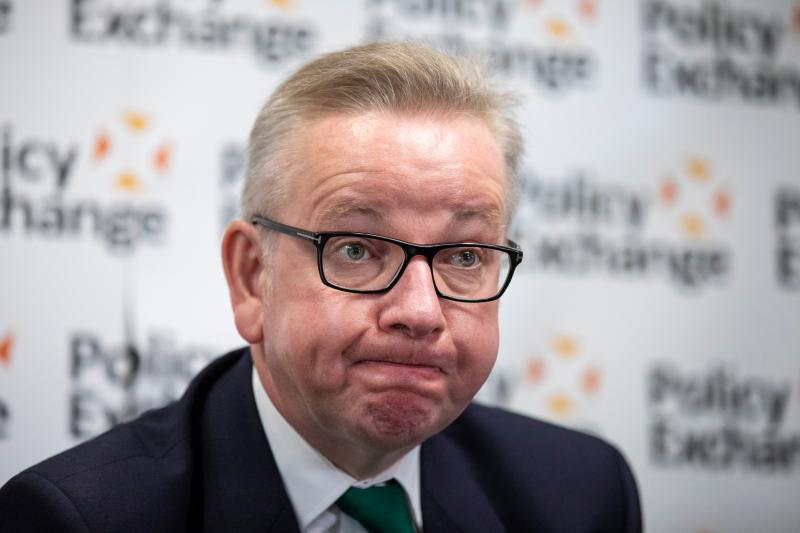
The uncertainties surrounding post-Brexit agriculture and how the UK will deliver a ‘green Brexit’ will be raised by two Holyrood Committees as they hear from Michael Gove.
The Environment, Climate Change and Land Reform Committee (ECCLR) and the Rural Economy and Connectivity Committee (REC) will take evidence from the Defra Secretary via video conferencing on Wednesday (27 June).
The meeting will focus on agriculture, environment and fisheries policies and frameworks, what they will include and when they will be agreed.
In particular, the two will focus on the government's 'green Brexit' pledge. Farmers will receive money to make improvements to the environment under the new system of subsidies.
The Secretary of State will be asked about potential common frameworks and how they might be arrived at and operated.
MSPs across both Holyrood Committees will also be looking for clarity on funds for agriculture, fisheries and the environment to replace EU funding in the future.
'Many unknowns'
ECCLR Convener, Graeme Dey MSP said there are "many unknowns and unanswered questions" about farming policy post-Brexit.
“There are many unknowns and unanswered questions on life after Brexit and whether this will leave gaps in laws that protect our environment, such as tackling air pollution, protecting animal welfare and stopping the overwhelming number of plastics harming the marine environment,” Mr Dey said.
“Our meeting with Michael Gove is an important opportunity to find out what we may lose when we leave the EU, and what solutions will be put in place to ensure environmental principles that underpin policy, legislation and environmental protections are not weakened.”
REC Convenor, Edward Mountain MSP said farming is of "huge significance" to Scotland's economy and clarity is needed.
“These industries are of huge significance to the rural economy in Scotland and it is essential that we receive clarity on how Brexit will impact them, and to ensure Scotland’s standards and systems are maintained and protected after the UK leaves the EU,” Mr Mountain said.
“It is also essential to be clear on the systems of payments in Scotland post Common Agricultural Policy (CAP) in order to support our farmers across the country.”
CAP withdrawal
Scotland could feel the effects of withdrawal from the Common Agricultural Policy more than other parts of the UK, according to a report by AHDB, which looks at the effect of leaving the EU on Scotland.
"EU funds are proportionately more important to Scotland than the rest of the UK," the report says. "The largest part of Scotland’s pre- allocated EU funds come from CAP Pillar I with support to farmers’ incomes provided in the form of direct payments and market-support measures."
The release of the report triggered the country's rural affairs secretary, Fergus Ewing to say Brexit is the "greatest threat to Scottish agriculture".
The rural economy secretary in the SNP Government said that leaving the EU presents Scottish farming with an "unprecedented challenge."




