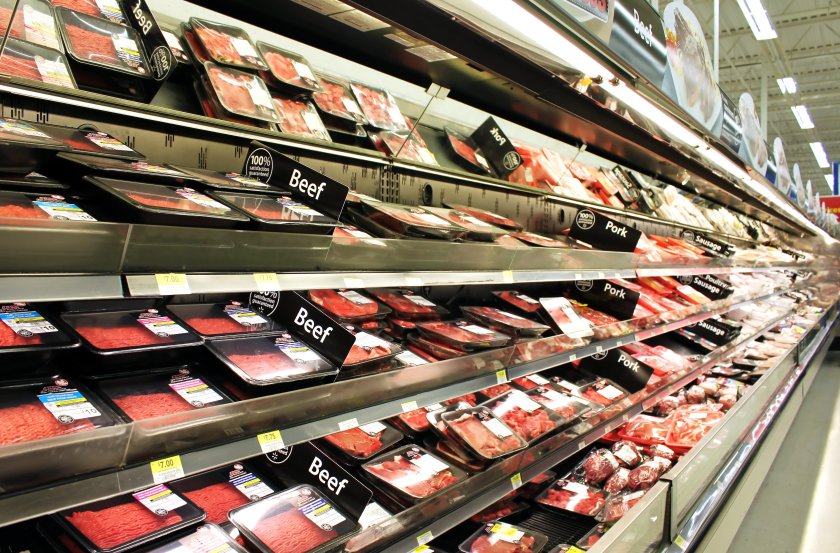
Consumers have been warned to “beware” after Brazilian beef was recalled across Europe following the discovery of banned hormones, prompting fresh concerns over the safety of lower-standard imports entering the UK food chain.
The recall follows an investigation by the Irish Farmers Journal and the Irish Farmers’ Association, which found hormone residues in consignments of Brazilian beef imported into the EU earlier this month.
The Ulster Farmers’ Union said the incident confirmed long-held fears about food safety, traceability and oversight in Brazil’s beef production system, and warned that Northern Ireland was among the regions affected.
UFU deputy president Glenn Cuddy said the findings represented a serious breach of trust for consumers and producers alike. “This is an extremely serious public-health incident,” he said.
“For years, farmers here have operated under some of the strictest food-safety, traceability, and animal-health standards in the world. Yet we are now seeing products enter our market from systems that do not meet the same basic requirements.”
He said the recall risked undermining confidence in the wider beef supply chain, despite local producers complying with rigorous rules. According to the UFU, repeated problems linked to hormones, antibiotics and traceability in Brazil demonstrate that assurances around import controls are inadequate. “This is not a hypothetical risk,” Mr Cuddy said. “It has already happened.”
The union warned that continued access for large volumes of lower-cost beef produced under weaker regulatory regimes could distort the market and penalise domestic producers who have invested heavily in welfare, environmental standards and food safety.
“Allowing cheaper products from countries with weaker requirements to enter the market would reward poorer practices abroad, and punish farmers here who are doing things right,” Mr Cuddy said.
Food authorities have said affected products are being removed from sale, but the UFU said the incident should act as a wake-up call for consumers and policymakers.
Mr Cuddy said it underlined the value of locally produced food that can be trusted and traced. “Our food sector and consumers must back local producers, not undermine them through cheaper, riskier imports,” he said.
He added that Northern Ireland farmers produce “world-class beef and lamb” that is safe, sustainable and fully traceable from farm to fork, and warned that these standards must not be compromised in pursuit of trade agreements that prioritise overseas markets over domestic food security.
Commenting on ongoing discussions around strengthened safeguards for imports under the Mercosur trade bloc, Mr Cuddy said the recall showed such measures could not be relied upon.
“The so-called safeguards have already failed,” he said, adding that if hormone-treated beef had passed checks, entered Europe and reached supermarket shelves, “then the system is not fit for purpose”.
The UFU said it would continue pressing policymakers to ensure imports meet the same standards required of local farmers, warning that consumer confidence and public health must not be put at risk.