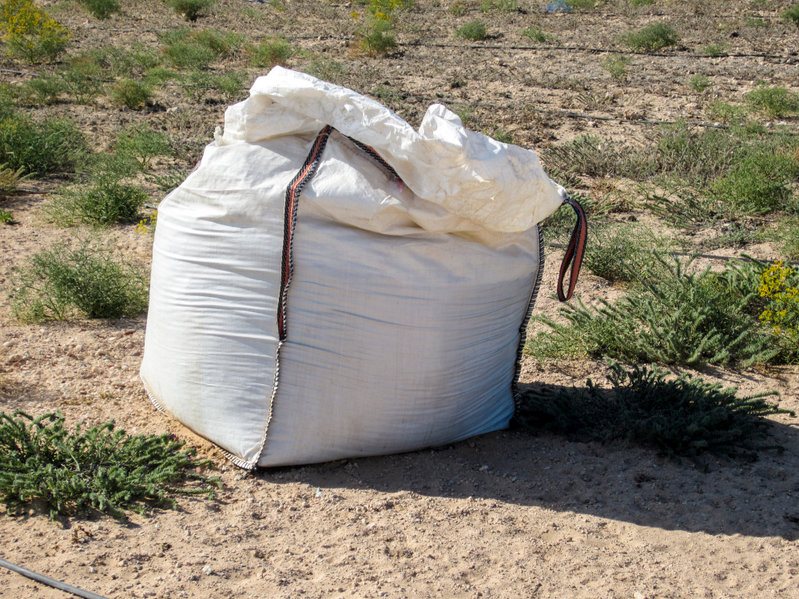
Farmers are being urged to tighten fertiliser security as spring deliveries increase, amid warnings that poor storage could leave businesses exposed to theft and misuse.
New guidance has been issued reminding farmers and growers to review how fertiliser is sourced, stored and monitored at a time of year when large volumes of granular product are arriving on farms.
The advice comes from the National Counter Terrorism Security Office (NaCTSO), which said the seasonal rise in fertiliser movements can increase risk if basic security measures are not in place.
Superintendent Steve Fosher, head of NaCTSO, said vigilance is essential regardless of scale.
“Regardless of how much fertiliser you store, it is important you consider measures to prevent it from being stolen and misused by potential terrorists,” he said, noting that the UK threat level remains “Substantial – An Attack is Likely”.
NaCTSO has worked with partners including Red Tractor and the Fertiliser Industry Assurance Scheme (FIAS) to develop a Fertiliser Security Five Point Plan for farmers and growers using nitrogen-based fertilisers.
The plan focuses on using FIAS-approved suppliers where possible, storing fertiliser securely and out of public view, carrying out regular stock checks, avoiding leaving fertiliser in fields overnight, and ensuring ammonium nitrate is only sold with the correct documentation.
NaCTSO said the risk is often highest during busy delivery periods, when fertiliser may be stored temporarily in yards, sheds or open-sided buildings ahead of spreading.
While no system can offer complete security, the guidance stresses that simple, low-cost steps can significantly reduce the likelihood of theft.
Measures such as storing fertiliser in an enclosed building, or covering it with a tarpaulin if kept in an open-sided barn, are described as basic but effective.
Further practical advice is available through the Protect UK website, which offers guidance that can be adapted to individual farm layouts and operations.
The advice recommends a balanced approach, combining physical security with clear procedures and routine checks as part of everyday farm management.
Superintendent Fosher said: “It is hoped that by following this advice we will not only prevent it being stolen, which causes a financial loss to farmers and growers, but ultimately restricts the availability of nitrate based fertilisers for use by terrorist groups within the UK.”
He said farmers and growers have an important role to play in reporting concerns. “We all have a role to play to help prevent terrorism,” he said. “If you Suspect it – Report it.”
Farmers are encouraged to remain alert during fertiliser handling and storage and to report anything out of the ordinary to their local police, the anti-terrorist hotline on 0800 789 321, or via the Protect UK reporting service.