




Dartmoor grazing ruled unlawful in High Court blow to management system
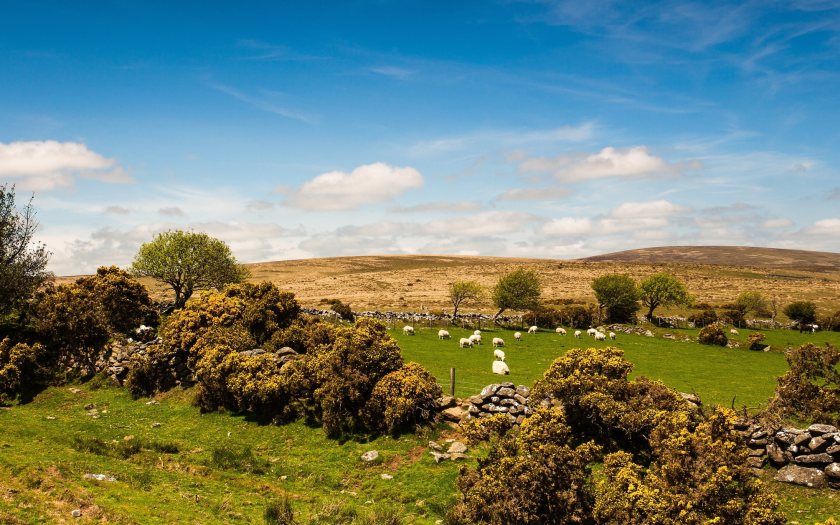
The High Court has ruled Dartmoor’s grazing management unlawful — a decision that could have significant implications for farmers grazing livestock on the moor.
The case, brought by environmental group Wild Justice, centred on claims that the Dartmoor Commoners’ Council (DCC) had not properly assessed grazing levels or met its legal responsibilities to manage the land.
Judges found the council had fallen short of its statutory obligations under the Dartmoor Commons Act 1985 by failing to carry out a proper assessment of stocking levels.
The court concluded that DCC had “acted unlawfully by failing to carry out a lawful assessment of stocking levels”.
It also criticised the council’s approach, ruling that reliance on informal methods was not sufficient.
Environmental lawyer Richard Broadbent said the use of “informal knowledge and anecdotal experience was deemed insufficient to meet its duty of reasonable inquiry”.
Wild Justice said it brought the case due to concerns about grazing pressure and its potential impact on important habitats across Dartmoor.
However, the court rejected several other elements of the challenge.
Judges confirmed the council is not legally required to reduce grazing levels, stating its powers to issue limitation notices are “discretionary rather than mandatory”, meaning the council is not obliged to act.
Claims relating to alleged breaches of protections for Sites of Special Scientific Interest (SSSIs) and habitats regulations were also dismissed.
Despite this, the decision leaves open the possibility of further legal action.
The court said the council still has wider responsibilities in relation to Dartmoor’s protected sites, potentially opening the door to future challenges over how those duties are carried out.
The ruling is likely to raise concerns among commoners and farmers about how grazing levels could be assessed in future, particularly if new evidence-based approaches are introduced.
It could also have wider implications for grazing management on other upland commons across England.
The decision is expected to intensify debate over how grazing is balanced with environmental protection, with increasing pressure for clearer, evidence-based approaches that support both farming and conservation.




