




Drones and AI power surge in British blueberry sales
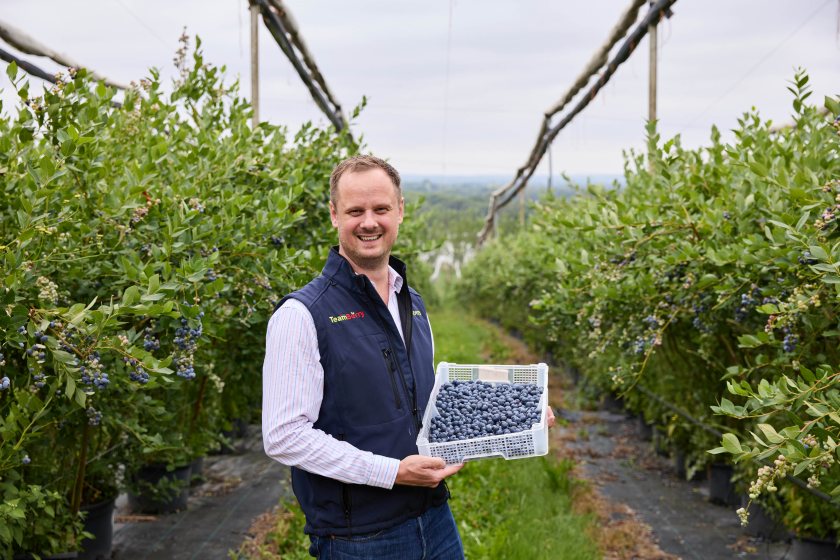
British blueberry sales were 73% higher in the week ending 5 July than during the same week last year, as growers invested in drones, artificial intelligence and advanced grading equipment to meet rising demand.
British Berry Growers also reported an overall year-on-year sales increase of 27%, although the supplied figures do not specify whether this relates to value, volume or season-to-date performance.
The industry body, which represents 95% of British soft-fruit growers, said production of UK-grown blueberries had increased by 40% over the past five years.
Growers are responding to demand for larger, more flavoursome fruit by introducing higher-yielding varieties and using technology to improve consistency.
Nick Marston, chairman of British Berry Growers, said: “Blueberries have quietly become one of Britain’s smartest crops.”
He said innovation now extended from plant breeding and protected growing to drone-assisted crop management and automated grading.
“We're seeing real premiumisation in the category, with shoppers wanting bigger fruit and a better taste experience, and growers are rising to that challenge by investing in higher yielding varieties that deliver on flavour as well as volume.”
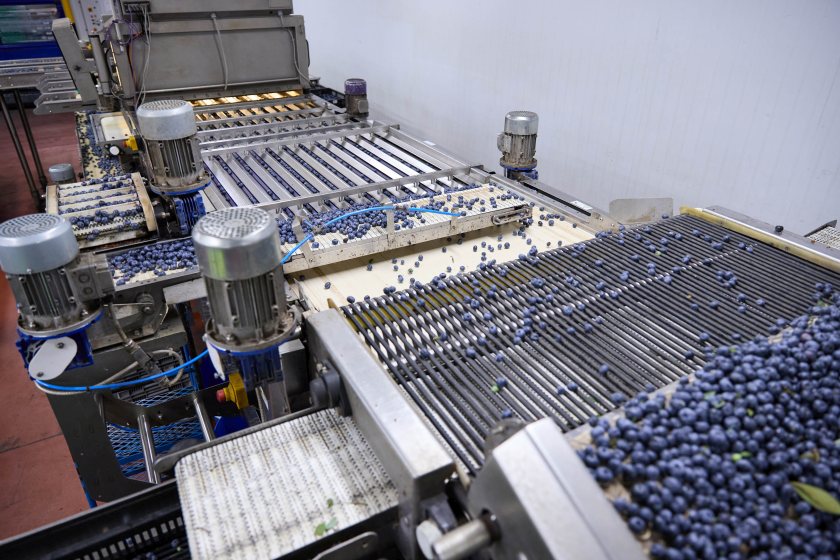
At WB Chambers, each berry is picked by hand before passing through a high-speed optical grading line.
The system photographs individual berries several times in a fraction of a second and uses artificial intelligence to assess colour, size, shape and visible quality.
This allows the business to sort fruit consistently at speed before it is packed into supermarket punnets.
Technology is also being used to manage temperatures within the crop’s protected growing environment.
WB Chambers now grows its entire blueberry crop beneath polytunnels, which shield plants from colder spring conditions and help extend the British season.
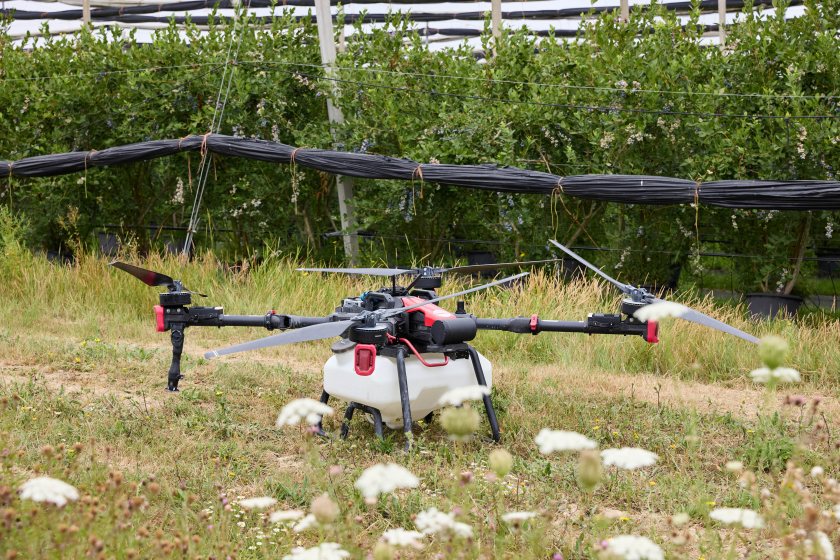
During periods of intense heat, drones apply a whitewash coating to the outside of the polytunnel covers.
The coating reduces solar heat inside the tunnels and helps protect fruit quality. It is applied to the structures rather than directly to the berries.
WB Chambers said blueberry plants require around 30% more heat and light than strawberry plants before they begin producing fruit, making control of the growing environment particularly important.
George Beedell, head of business development at the company, said: “Technology plays a huge role in helping us grow the very best of British blueberries.”
“Polytunnels allow us to carefully manage the growing environment, protecting the crop from colder weather in spring so we can start the British season earlier, while also extending it later into the year.”
He said drones and optical grading helped the business manage increasingly variable weather while maintaining consistent product standards.
“We then use drones to apply protective coatings to the tunnels during periods of hot weather, helping keep temperatures down and maintain fruit quality.”
The 2026 season followed a cool spring and several spells of hot summer weather.
Growers said the combination of cool nights and warm days had supported sugar development, fruit size and flavour across blueberries, strawberries and raspberries.
Mr Beedell said: “Everything is coming together for a great British blueberry season.”
“We've had a slow, steady spring, with cool nights and warmer days through May, which is exactly the kind of weather that builds sugar and flavour in the fruit and we're expecting excellent size and a lovely quality this year.”
British-grown blueberries are now available through major supermarket chains.
The commercial test will be whether higher domestic production and investment in quality can help growers capture a greater share of demand traditionally supplied by imported fruit.




