




Farm fined more than £19,000 over damage to protected Welsh wildlife site
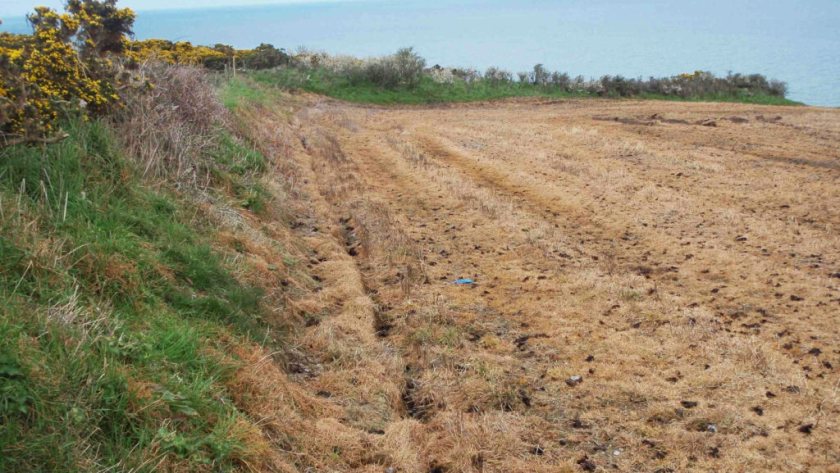
A farming company in Ceredigion has been fined more than £19,000 after damaging Wales’ only protected wildlife site designated specifically for rare arable plants.
Jenkins Ty Hen Limited, which farms National Trust-owned land near Mwnt, was convicted at Haverfordwest Magistrates’ Court on 5 May for damaging a Site of Special Scientific Interest (SSSI).
The company was fined £9,000 and ordered to pay costs of £8,940.66, along with a £2,000 victim surcharge.
A 10-year restoration order was also imposed by the court.
The case centred on land at Crug Bychan, Ty Gwyn and Llwyn Ysgaw, which was designated as an SSSI in 2004 because of its nationally important arable wildflowers and historic plant species.
SSSIs are legally protected areas recognised for their importance to wildlife, habitats or geology.
Natural Resources Wales (NRW), which brought the prosecution, said the site is the only SSSI in Wales specifically designated to protect arable plants.
The land supports more than 60 species of arable wildflowers, including rare archaeophytes — historic plants linked to centuries-old farming systems and early crop cultivation.
Many of the species are now considered rare across Wales and the wider UK.
Farmers are permitted to grow crops on the site, but strict management rules are in place to protect vulnerable wildflower species and sensitive habitats.
NRW said unauthorised applications of slurry, fertiliser and herbicides continued on the land between 2017 and 2025 despite repeated warnings, meetings and advice.
Some of the activity also continued after the company had been formally warned and invited to attend an interview under caution.
Environmental officers said the damage caused a serious decline in both the number and variety of protected plant species across the site.
However, NRW believes recovery is still possible if the land is managed appropriately over the coming decade.
Ann Weedy, operations manager at NRW, said protected sites played an important role for both wildlife and future generations.
“They are protected by law, and we work closely with farmers to help them manage the land in the right way,” she said.
“In this case, the rules were broken many times, even after clear advice and warnings.”
Ms Weedy said the damage had caused “real harm” to rare plant species found in only a small number of locations across Wales.
Under the restoration order, the land must now be managed through an appropriate arable crop rotation system designed to support recovery of the rare plant species.
Buffer margins must also be maintained around fields, with fertilisers and herbicides prohibited within those areas to give vulnerable plants the best opportunity to recover and thrive.
NRW said the restoration order gives the protected site the best possible chance to recover if managed correctly in future.




