




Farm leaders hail surge in global demand for UK dairy and red meat
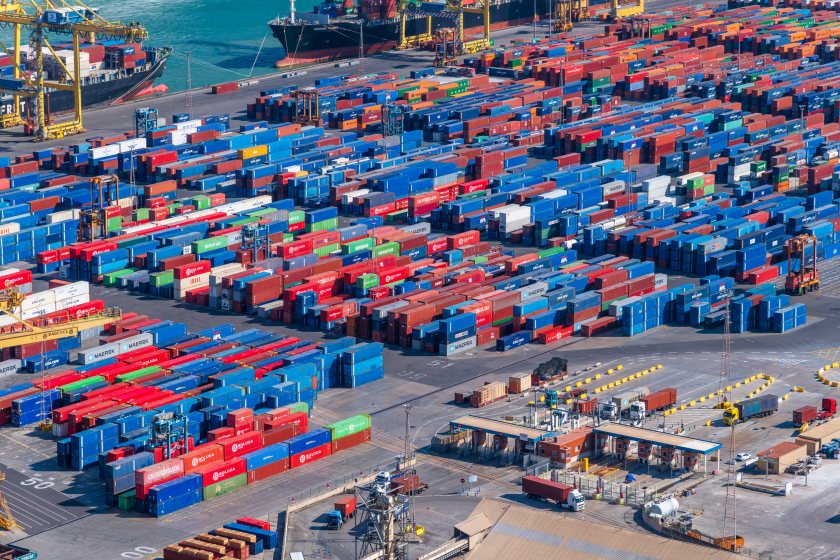
Farming leaders have hailed record-breaking UK dairy and red meat export figures as a major boost for British farmers, with combined trade topping £4.2 billion last year.
New HMRC figures show dairy exports reached £2.2 billion in 2025, up 16.6% on the year, while red meat exports, including offal, rose 12% to £2 billion.
The gains come despite a turbulent period for producers, with record milk volumes, dry weather, delayed grass growth and sharp price falls as global supply increased. Many dairy farmers have seen returns drop significantly in recent months.
Against that backdrop, NFU Dairy Board vice-chair Ian Harvey described the export performance as “fantastic news for British dairy”.
He said the growth reflected the “work of the wider industry, from farmers, to processors, the AHDB Dairy Export Team and also government attachés in key marketplaces around the world to promote and bolster UK dairy exports.”
Mr Harvey also pointed to the difficult trading conditions facing producers.
“At such a difficult time for British dairy farmers, who have seen 40% wiped off the value of dairy returns in the last few months alone, these figures provide confidence and evidence of the demand for our high quality, sustainable and tasty British dairy products,” he said.
The EU remains the cornerstone of UK trade, accounting for 73.9% of dairy export value and 81% of red meat exports.
Mr Harvey warned that the importance of the bloc “cannot be underestimated”, stressing that ongoing UK-EU negotiations must not undermine the sector’s ability to compete on a level playing field.
With such a heavy reliance on European markets, any disruption to trade terms could quickly feed through to farmgate returns.
The NFU’s Dairy Board set out an ambition in 2021 to double the value of dairy exports over a decade, when exports stood at £1.6 billion. The strategy highlighted the role of exports in ensuring domestic pricing “accurately and honestly reflects the real value of dairy.”
Since then, the NFU has worked alongside processors, traders, AHDB and the Department for Business and Trade to tackle market barriers and expand opportunities overseas.
NFU Livestock Board chair David Barton said it was encouraging to see British beef gaining ground internationally.
“It's great to see that great tasting, nutritious British beef, produced to some of the highest standards, is being enjoyed around the world,” he said.
He described the £3.9 billion livestock sector as “ripe for growth”, but added that continued investment would be needed to secure new markets and maintain existing ones.
“To meet growing global demand, we just need continued investment to maintain and open up new markets that provide opportunities for exporters and the supply chain to realise value through carcase balance,” Mr Barton said.
Opportunities are also emerging beyond Europe. The Gulf Cooperation Council is now the second largest importer of UK dairy products by region, with demand expected to rise over the next decade.
AHDB International Trade Development Director Jonathan Eckley called the figures “a remarkable success story”, highlighting sustained global demand for British produce.
“Underpinning our work is the consumer and market insight from our Market Intelligence team, helping us shape and deliver a programme of promotional activity on the ground to support our export businesses,” he said.
Lucy Randolph, AHDB Head of International Trade Development (Dairy), emphasised the structural importance of exports to the sector.
“Exports are critical to the UK dairy industry by providing a long-term outlet for surplus production,” she said.
“They play a huge role in helping to strengthen demand, build price resilience and support long-term profitability. Every extra tonne of cheese, yogurt or other dairy product sold overseas helps balance supply at home.”
For a sector navigating price volatility and shifting global dynamics, the latest export surge provides evidence of strong international demand — but maintaining market access and competitive trade terms will remain crucial in sustaining farm incomes.




