




Farmers and landowners warn mast reforms have slashed rents by 90%
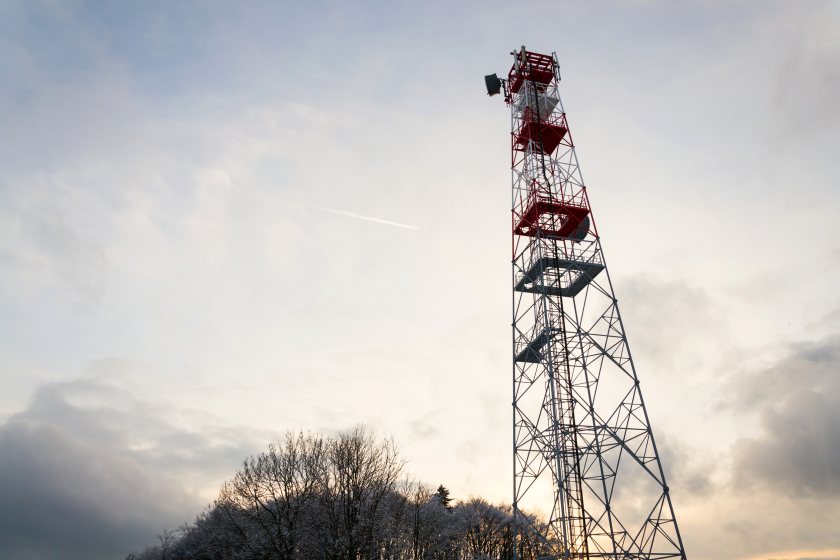
Farmers say mobile mast reforms have slashed rental income by up to 90% — and are warning that further expansion of the regime could drive some to stop hosting sites altogether.
Rural landowners have launched a new website aimed at the Department for Science, Innovation and Technology (DSIT), arguing that changes to telecoms law have undermined farm incomes, triggered legal disputes and failed to resolve persistent connectivity problems in parts of the countryside.
At the centre of the dispute are amendments made in 2017 to the Electronic Communications Code. The reforms introduced a “no-scheme valuation” model, meaning mast sites are valued as if there were no telecoms demand for the land.
Landowner groups say that shift has, in many cases, reduced rents by as much as 90% and allowed long-standing agreements to be reopened.
For some farms, mast income had provided a reliable stream of diversification revenue, helping to offset volatility in agricultural markets.
Ministers said the changes were intended to reduce costs for operators and speed up digital infrastructure rollout across the UK.
However, campaigners argue the reforms have instead damaged previously cooperative relationships between site providers and operators, leading to an increase in tribunal cases and legal costs.
The debate comes as Ofcom’s latest Connected Nations report states that outdoor 5G coverage from at least one operator now reaches 97% of the UK.
Yet network intelligence firm Ookla ranks the UK 57th globally for mobile performance based on real-world data, and MPs recently accused the government of “gaslighting” rural communities over their lived experience of weak signal and dropped calls.
Landowners claim ministers are relying too heavily on headline coverage figures while reports of not-spots and unreliable service continue in some areas.
Survey data cited by organisers — based on responses from 500 UK landowners — suggests around one in three would consider stepping away from hosting infrastructure if the current framework is extended further.
Despite the criticism, ministers have confirmed that Part 2 of the Product Security and Telecommunications Infrastructure Act will expand the regime to a further 15,000 sites from April.
The newly launched website, landlordsandmasts.uk, aims to gather evidence from site providers — many of them farmers and rural small businesses — and compile parliamentary scrutiny of the reforms, including more than 60 Parliamentary Questions and 24 MP surveys raising constituency-level concerns.
Thomas Evans, executive vice-president of APWireless, said: “Reliable mobile connectivity is essential for economic growth and everyday life. Everyone deserves access to a dependable signal, wherever they live.”
He added: “DSIT is relying heavily on headline coverage statistics to justify expanding a regime that is clearly under strain.
"Ofcom reports that outdoor 5G coverage from at least one operator now reaches 97% of the UK, yet that does not reflect the lived experience of many households and businesses, which continue to report dropped calls and persistent not-spots.”
Mobile operators have previously argued that the 2017 reforms were necessary to curb excessive site rents and accelerate network rollout, maintaining that lower infrastructure costs ultimately benefit consumers through improved coverage and investment.
Section 70 of the Act — which would introduce a statutory complaints mechanism overseen by Ofcom — has yet to be brought into force.
With the April expansion approaching, tensions between operators and rural site providers appear set to intensify, raising fresh questions over whether the current framework can deliver both fair returns for farmers and the reliable connectivity rural communities have long demanded.




