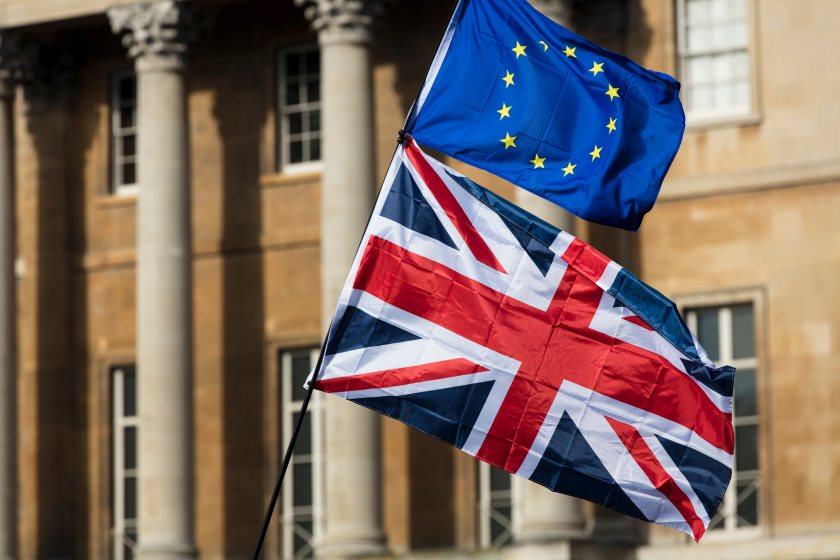
Plans by Sir Keir Starmer to realign the UK more closely with the European Union could reshape how farming and food production are regulated, as ministers prepare legislation that would tie Britain to future EU rules.
According to reporting by The Times, the prime minister is expected to bring forward a major post-Brexit bill that would allow the UK to dynamically align with European regulations in areas including food standards, animal welfare and pesticide use.
For farmers, this could mean greater consistency with EU requirements for produce sold into the continent, but with less domestic control over how those rules evolve.
The legislation, expected to reach parliament as early as next month, would mark the first time since Brexit that MPs have been asked to accept changes to EU law without having a formal vote on their content.
Under dynamic alignment, the UK would be expected to comply with updated regulations agreed in Brussels, despite no longer being part of the EU’s law-making process. In some cases, this could also involve accepting the jurisdiction of the European Court of Justice on matters of EU law.
Government ministers argue the shift could ease pressure on farmers and food businesses exporting to Europe by reducing border checks and paperwork.
Since leaving the EU, many UK producers have continued to follow EU standards in practice in order to access European markets, particularly in sectors such as livestock, dairy and fresh produce. The government believes formal alignment could remove duplication and uncertainty for those trading on both sides of the Channel.
The bill would also align the UK’s electricity and carbon markets with those of the EU, which ministers say would support economic growth and help address some of the long-term economic impact of Brexit. Estimates cited by the government suggest UK GDP could be up to 4% smaller than it would have been had the country remained in the EU.
Opposition parties are expected to challenge the proposals, arguing that dynamic alignment amounts to surrendering sovereignty. Conservatives oppose “no rule-taking, dynamic alignment or European Court jurisdiction”, while Reform UK leader Nigel Farage has warned the plans would push the UK “back into the orbit of Brussels, giving away vast amounts of our sovereignty for very little in return”.
Senior government figures say they are ready for a political fight, citing polling that suggests public backing for closer EU ties. Europe minister Nick Thomas-Symonds has acknowledged the controversy, saying critics would “hysterically cry even treason” but insisted such claims were “nonsense”.
The debate could also reopen wider questions over the UK’s future trading relationship with the EU. The Liberal Democrats are expected to push for a customs union, which the government has ruled out. Lib Dem cabinet office spokeswoman Lisa Smart said: “A customs union is the single biggest lever the government could pull to boost growth and bring down the cost of living.”
Ministers hope to secure passage of the bill through the Commons ahead of the next King’s Speech, expected in May, with the aim of having the legislation in place by the end of the year so a broader UK-EU reset agreement can take effect in 2027.
For farmers, the coming months could be critical. Decisions taken now may determine future regulatory frameworks for livestock welfare, crop protection products and food production standards, shaping market access and competitiveness for years to come.