




Fresh produce prices could rise under new import checks, body warns
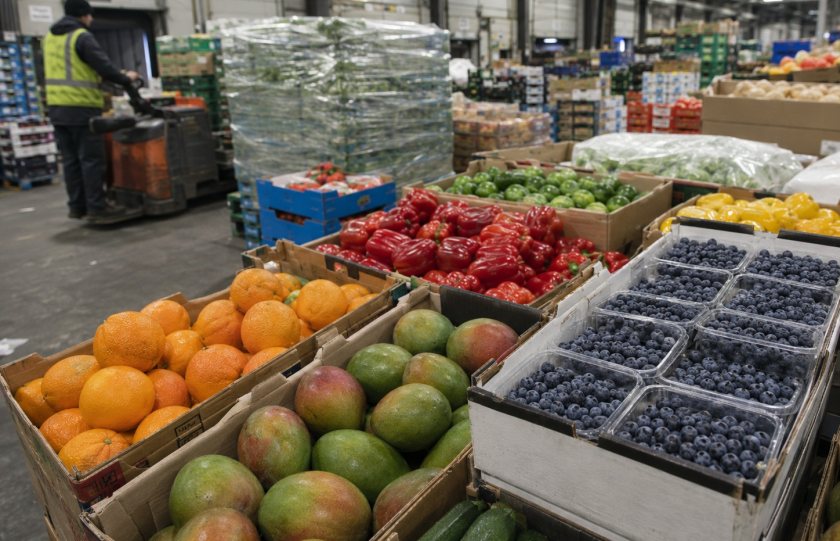
Fresh produce prices and availability could be hit by new border controls on global imports, the Fresh Produce Consortium has warned.
The government has presented its UK-EU SPS agreement as a way to reduce border friction, but the FPC argues the changes could create major new pressures for supply chains outside the EU.
The government has said the wider UK-EU agreement is intended to ease trade and reduce border friction, although the FPC argues the benefits will not be evenly felt across the fresh produce sector.
Rest of World supply chains refer to fresh produce imported from outside the EU, including fruit and vegetables the UK cannot reliably grow year-round.
According to the FPC’s analysis, around half of UK fresh produce imports could be affected, covering up to 4 million tonnes of goods.
The consortium estimates the changes could cost the sector more than £300 million.
Nigel Jenney, chief executive of the Fresh Produce Consortium, said checks on EU imports were being eased while new EU-style controls were set to be imposed on global supply chains.
The FPC said those supply chains already delivered a 99.5% compliance record.
Mr Jenney said: “This is not simplification. It is a transfer of burden.
“And the industry’s effective solutions and repeated warnings are being ignored.”
The organisation said it had repeatedly raised concerns with government about avoidable border friction, rising costs and operational disruption during the development of trade policy.
It said those warnings had been acknowledged, but not acted upon.
The FPC said the language of “alignment” and “simplification” did not reflect the operational reality for fresh produce businesses.
While the agreement may reduce barriers for some EU-origin goods, the consortium argues the impact will be very different for companies relying on global supply chains.
The FPC said government guidance confirmed the UK would align with EU sanitary and phytosanitary rules on Rest of World imports.
It warned this could lead to increased inspections, extra phytosanitary certification, expanded pre-notification requirements, new reporting and compliance systems, and possible post-import checks.
The consortium said the UK already had a proven, proportionate and science-based SPS regime, achieving 99.5% border compliance across around 40,000 consignments each year.
Under the new approach, the FPC estimates that around 120,000 annual consignments could be subject to potential physical inspection at the UK border.
It also said a wide range of goods could face 100% physical inspection by UK officials.
Mr Jenney said: “The government’s own scientific authorities did not consider these EU-style controls necessary when we left the EU.
“Nothing has changed in the science. What has changed is the politics.”
Fresh produce is particularly vulnerable to disruption because it is perishable, with even short delays risking quality, shelf life and availability.
The FPC said products such as citrus, mangoes, blueberries, sweet potatoes and peppers could face greater commercial and food safety risks under the new regime.
It argued that border delays could affect quality, availability and affordability on British shelves.
The FPC said the estimated £300m-plus burden included official government fees, certification costs, logistics costs, spoilage losses and operational investment.
The consortium warned that those costs would move through the supply chain and ultimately land on consumers.
It also said the UK could not rely solely on domestic production to address food security challenges.
The FPC said domestic production and global imports needed to work together, but warned that current policy risked undermining that balance.
The consortium said it had put forward practical, evidence-based alternatives intended to improve UK-EU trade flows without damaging global supply chains.
It said those proposals had been received, but appeared to have been set aside again.
Mr Jenney said: “We must secure a win-win for EU and Rest of World trade on behalf of hard-pressed consumers.
“A policy that eases EU trade by transferring burden onto global supply chains is not simplification — it is substitution.
“One the UK food system cannot afford.”
The FPC is now urging businesses across the fresh produce supply chain to lobby government directly before the new approach is finalised.
It is calling on companies to write to the Prime Minister, copy in their local MP, add their own figures and explain the commercial and consumer consequences.
Mr Jenney said: “Government listens when the industry speaks with a unified voice.
“The window to influence this outcome is open — but it will not stay open for long. Please act now.”




