




Government rejects fly-tipping reforms despite admitting system is unfair
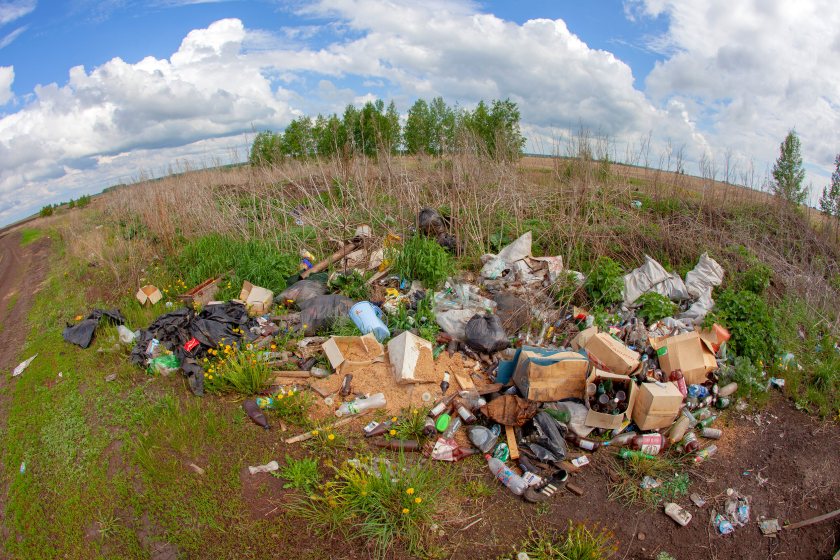
The government is facing mounting criticism after refusing to reform Britain’s fly-tipping laws, despite previously acknowledging the system is unjust.
Ministers rejected proposed changes on Wednesday 15 April that rural campaigners say would have corrected a long-running unfairness, leaving farmers and rural communities to continue bearing the cost of crimes committed against them.
Under current rules, fly-tipping remains one of the few offences where victims are held financially responsible. Landowners must clear waste dumped on their property and, if they fail to do so, risk prosecution for having controlled waste on their land.
Critics say this contrasts sharply with weak enforcement against offenders, with many local authorities rarely pursuing prosecutions. The result, campaigners argue, is a “ridiculous” system that punishes victims while allowing perpetrators to avoid accountability.
Pressure for reform had been building in recent months. On 25 February, the House of Lords backed amendments aimed at overhauling the system — a move welcomed by rural groups across the UK. The government opposed the changes but was defeated in the vote.
A coalition of organisations, led by the Countryside Alliance, then urged ministers to act, pointing to the government’s own Waste Crime Action Plan, published on 19 March, which acknowledged the unfairness of existing laws.
The proposed amendments would have made convicted fly-tippers automatically liable for clean-up costs and any damage caused, while ensuring victims were no longer left to foot the bill.
They also sought to place a duty on local authorities to remove dumped waste and recover costs from offenders — a shift campaigners say would have strengthened enforcement while easing the burden on landowners.
Despite this, ministers declined to accept the changes, prompting accusations that the government is ignoring its own findings.
The issue is continuing to escalate. Fly-tipping is estimated to cost the UK economy around £1 billion each year, with incidents in England rising to 1.26 million — a 9% increase on the previous year.
The government has previously said it is committed to tackling waste crime through measures set out in its Waste Crime Action Plan, though campaigners argue progress on the ground remains limited.
Johnnie Furse, spokesperson for the Countryside Alliance, said the decision had deepened frustration among rural communities.
“Everyone agrees that the current system is a ridiculous injustice — even the government has admitted that. And so it beggars belief that now, when the opportunity was presented to the government to fix the broken system, they refused to do so.
“It seems that this government is all talk, and no action. If those in Westminster wish to prove otherwise, urgent action is direly needed.”
The decision is likely to intensify pressure on ministers, with campaigners warning the issue could become an increasingly significant concern for rural voters.




