




Meat supplier Donald Russell enters consultation amid 'perfect storm'
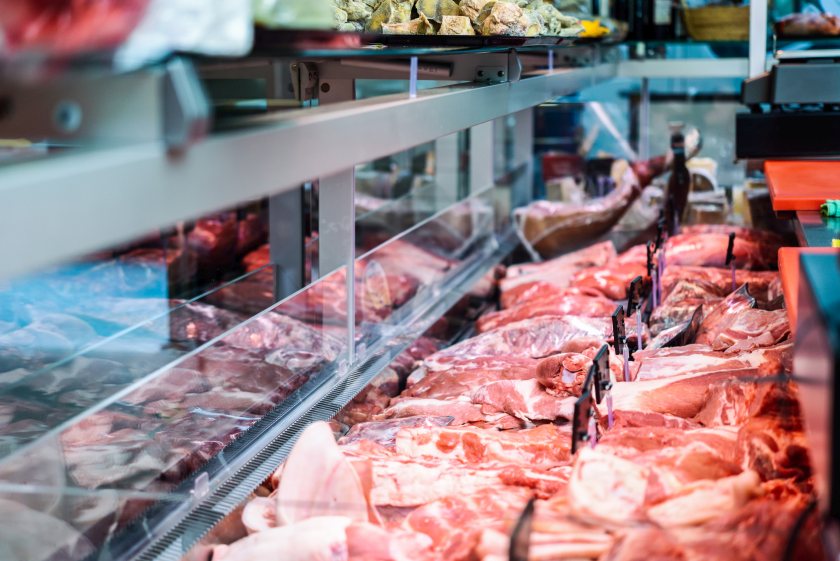
Premium meat supplier Donald Russell has warned it may be forced to cease trading, placing around 120 jobs in Inverurie at risk and raising fresh concerns for livestock producers in the North East.
The Aberdeenshire-based business has entered a statutory 45-day collective consultation process after carrying out what it described as a comprehensive financial review.
Interim chief executive Matthew Flood said the decision followed mounting commercial pressures.
“Needless to say, this is not the outcome anyone wanted, and I recognise how unsettling this news is for our colleagues and their families,” he said.
“Donald Russell has been a respected Aberdeenshire business for more than 50 years, but the company has faced mounting challenges in recent years.”
He said “unprecedented volatility in meat prices, unpredictable energy costs and the rising costs of doing business have created a perfect storm” which has left the company “unable to continue trading in its current form”.
Founded in 1974, Donald Russell has built a reputation for supplying high-end beef and lamb to restaurants and hospitality customers, as well as selling direct to consumers through its online platform.
If the proposed closure goes ahead, it would bring to an end more than five decades of meat processing in Inverurie and deal another blow to the region’s red meat sector.
The announcement follows the closure of Scotbeef in the town last year, adding to concerns about the long-term resilience of local processing capacity.
For farmers, the potential loss of Donald Russell could mean fewer premium outlets for finished cattle and sheep, tightening marketing options in an already pressured marketplace.
Gordon and Buchan MP Harriet Cross described the development as “deeply concerning” for the meat industry in the North East and across Scotland.
“The closure of Donald Russell would be devastating for the business, their staff, the supply chains and farmers who have all relied on the business for more than 50 years,” she said.
She warned that rising costs, regulatory burdens and market instability were putting sustained strain on processors and butchers, with knock-on effects for domestic food production.
“If both governments at Holyrood and Westminster are serious about rural jobs, our food security, and the importance of UK farming, then more support needs to be given to butchers so they can survive these unprecedented challenges,” she said.
No final decision has been confirmed, and staff will be consulted over the coming weeks before the company determines the future of its Inverurie operations.
If confirmed, the closure would remove a long-established buyer from the Scottish livestock market and mark the end of a 50-year chapter in the town’s food manufacturing history.




