




More than 300 tonnes of farm plastic recycled across south Wales
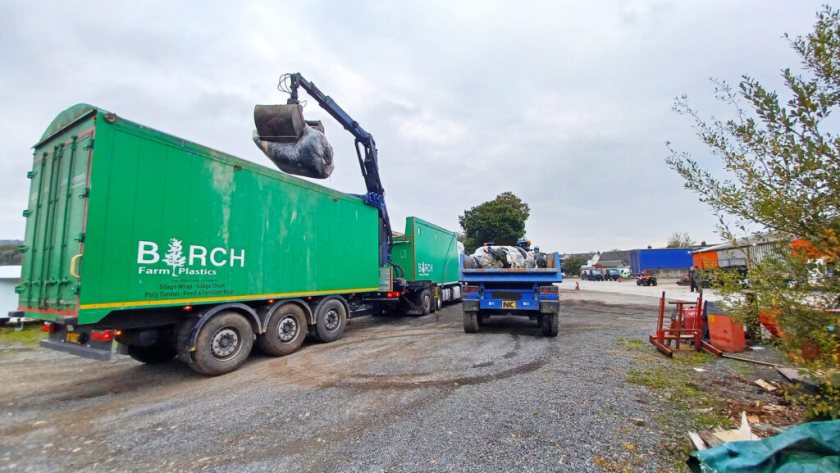
Welsh farmers have recycled more than 300 tonnes of agricultural plastic in just six months, smashing targets aimed at reducing pollution in some of the country’s most environmentally important rivers.
The recycling initiative, launched across south Wales, was designed to tackle growing concerns over farm plastics entering waterways and harming wildlife across protected river catchments.
Between July and December 2025, more than 200 farmers recycled 311 tonnes of agricultural plastic through the programme — exceeding the original target by more than 50%.
The figure represents a 63% increase in the amount of farm plastic recycled through collection centres compared with the same period in 2023 and 2024.
Following the strong response from farmers, organisers have confirmed the initiative will now continue until December 2026.
The programme helps farmers recycle agricultural plastics at lower cost through discounted drop-off centres and on-farm collection services across south Wales.
Farmers delivering plastic to designated collection points pay £40 per tonne less, while discounted collection rates are also available for on-farm pickups.
The initiative is being delivered through a partnership involving Natural Resources Wales’ Four Rivers for LIFE project, Agriculture Plastics Environment (APE), Birch Farm Plastics and Afonydd Cymru.
Organisers said the aim was to reduce agricultural plastic pollution in rivers while helping protect wildlife and sensitive habitats across the Teifi, Tywi, Cleddau and Usk catchments.
Chris Thomas, senior land management officer for Four Rivers for LIFE, welcomed the support shown by the farming community.
“We are delighted by the take up and support from the farming community to the scheme,” he said.
“Small changes like this add up to a big difference for our rivers and the wildlife that rely on them.”
Agricultural plastics such as silage wrap, fertiliser bags and feed containers remain one of the most persistent forms of countryside pollution.
Discarded plastics can trap wildlife, block waterways and increase flood risks, while also damaging fragile river ecosystems.
The Teifi, Tywi, Cleddau and Usk rivers are all designated Special Areas of Conservation and support internationally important wildlife including salmon, otters, shad and lamprey.
Birch Farm Plastics is coordinating the network of collection and drop-off centres across the four river catchments.
Farmers and landowners within eligible areas can recycle materials including silage bale wrap, pit cover sheeting, fertiliser bags and feed buckets through the scheme.
Organisers said the strong uptake reflected growing awareness within the farming sector around environmental protection, sustainable farming and responsible waste management.
The Four Rivers for LIFE project is funded through the EU LIFE Programme with support from the Welsh Government and Welsh Water.
With the initiative now extended into 2026, organisers hope even more farmers will take part in efforts to cut plastic pollution across Welsh river catchments.




