




Organic market hits £3.9bn but UK production remains limited
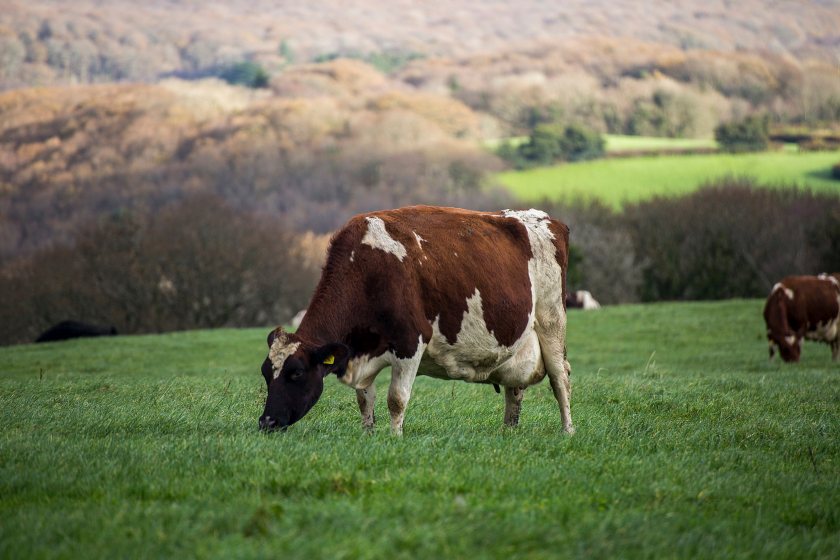
Demand for organic food in the UK is rising sharply, with the market doubling in value over the past decade to reach £3.9 billion, new figures show.
The latest Organic Market Report from Soil Association Certification reveals the UK organic food and drink sector has now recorded its 14th consecutive year of growth.
Organic sales rose by 4.2% in 2025, while supermarkets drove much of the expansion, with sales of organic products increasing by 7% in major retailers.
Unit sales growth of organic products in supermarkets is also four times higher than that of non-organic food.
Despite the growth, organic farming still represents a relatively small share of UK agriculture. Government figures show around 3% of farmland is currently managed organically, meaning the vast majority of food production remains conventional.
The report found that 83% of UK households now buy organic products, with many shoppers seeking out food produced in Britain.
Much of the growth is being driven by products commonly produced on British farms, including organic milk, eggs and carrots.
Organic dairy has been a major contributor to the sector’s expansion, with sales of organic milk and eggs both rising by more than 8% last year.
Fresh produce such as bananas, carrots and salad have also helped boost demand, while produce and dairy remain the largest sectors in the organic market.
A survey of organic farmers carried out for the report suggests most producers are benefiting from the trend. Around 85% of farmers said their sales had either grown or remained stable, while fewer than one in ten reported a decline.
Consumers are also buying organic food more frequently. The report found shoppers are now purchasing organic products in supermarkets roughly once every three weeks on average.
Organic farmer and Soil Association farming adviser Adrian Steele said the continued growth reflects strong consumer interest in food produced with environmental and welfare standards in mind.
“The continued growth of the organic market reflects the strong consumer demand for nature-friendly food,” he said.
“With high demand for organic products that are predominantly produced in the UK, we can also be encouraged that shoppers looking for organic's environmental and welfare benefits also seem to be seeking to back British farmers.”
Steele said supermarkets have responded by expanding their organic ranges and offering more promotions.
“Supermarkets have been taking note and have reacted with rebrands and expansions to their organic ranges, along with more price promotions and loyalty discounts,” he said.
“This presents a key opportunity for our farmers to tap into demand from both consumers and retailers.”
However, the report warns that a significant share of the growing demand is still being met by imported organic products because domestic production has remained relatively limited.
Industry leaders say this means some of the expanding market for organic food is currently supplied from overseas rather than British farms.
Government figures show just 3% of UK farmland is currently farmed organically, far below levels seen in several European countries.
While the amount of land converting to organic farming increased in England last year, progress slowed sharply when the Sustainable Farming Incentive (SFI) scheme closed abruptly.
The government has since confirmed details of a revised Sustainable Farming Incentive, which will again include support for organic farming.
The updated scheme will provide payments for farmers converting to organic production as well as support for the ongoing management of organic land. Applications are expected to reopen through two application windows in June and September.
Despite this, England has yet to set a formal target for expanding organic farmland.
This contrasts with Scotland, which aims to double its organic farmland, and the European Union, which has committed to reaching at least 25% organic farmland by 2030.
Somerset organic dairy farmer Sophie Gregory, chair of the newly formed UK Organic Dairy Roundtable, said the sector has strong potential despite ongoing challenges.
“The opportunities for organic dairy are huge, especially around animal health, environmental delivery and meeting the growing demand for natural food,” she said.
“But we also know the challenges have never been greater, from volatility to processing bottlenecks and the need for long term confidence.”
Steele said clearer long-term policy would help farmers respond to growing consumer demand.
“We have fought hard to ensure that organic was included in the renewed SFI and it is heartening to see organic recognised for its high environmental standards,” he said.
“But there is still a need for a longer-term vision to enable farmers to commit to more nature-friendly farming methods with the security of knowing support and fairer access to markets will be there.”
He added that England could benefit from introducing a national strategy similar to Scotland’s Organic Action Plan.
“Consumer demand is there for the taking – we should not allow it to continue to be met by imports,” he said.
“Our farmers, wildlife and the environment would all benefit from a clearer vision from government.”
Industry analysts say both conventional and organic farming systems will continue to play a role in meeting UK food demand as consumer preferences evolve.




