




Pig producers lose £20 a head as margins plunge
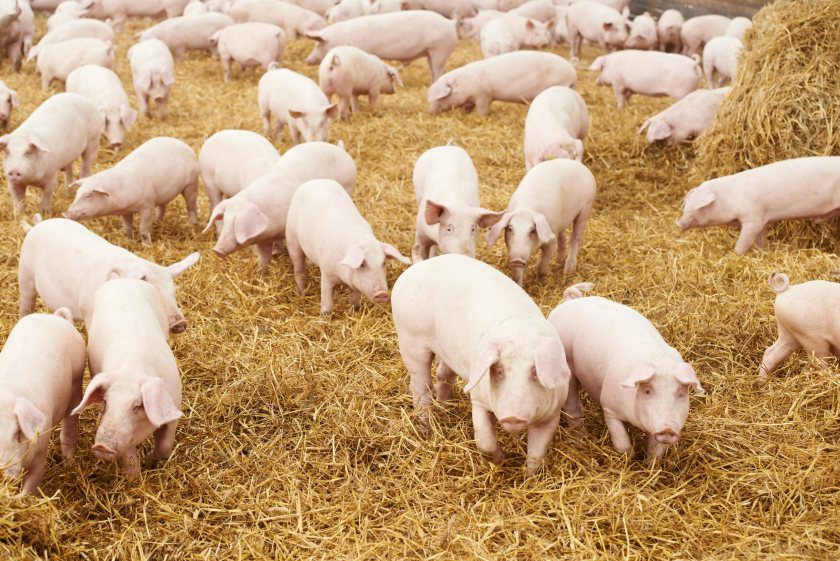
UK pig producers lost an average of £20.44 on every slaughter pig in the second quarter of 2026, as production costs rose by 9p/kg while pig prices fell by the same amount.
AHDB’s latest net margin figures show a sharp deterioration from the first quarter, when losses stood at around £4 per head.
The average margin fell to minus 22p/kg deadweight in Q2, putting renewed financial pressure on businesses after a sustained period of improved profitability.
The full economic cost of production — covering feed, labour, finance and other costs — climbed by 9p to 201p/kg deadweight during the quarter.
Feed remained the biggest pressure, rising by 4p to 119p/kg, while finance and miscellaneous costs increased by 3p/kg and labour costs rose by 1p/kg.
At the same time, the Standard Pig Price (SPP) averaged 179p/kg in Q2, down 9p from 188p/kg in the first quarter.
Taken together, the 9p/kg rise in costs and 9p/kg fall in prices created an 18p/kg squeeze on producers during the quarter.
The resulting loss of £20.44 per slaughter pig represents a substantial worsening from Q1, although AHDB’s figures reflect an industry average and individual farm performance will vary.
Some producers have reportedly received prices of just 130p/kg to 140p/kg, significantly below the SPP and potentially leaving those businesses facing much heavier losses.
The return to negative margins follows a lengthy period of improved conditions for the pig sector. From the third quarter of 2023, producers recorded 10 quarters of positive margins and one break-even quarter.
That recovery itself followed a severe downturn in which the industry endured 10 consecutive quarters of negative margins.
Pig prices have shown a modest improvement since the end of Q2, with the SPP reaching 180.41p/kg in the week ending 1 August.
However, cereal prices have also risen during the early weeks of the third quarter, threatening to maintain pressure on feed costs.
For pig producers, the combination of only limited price recovery and renewed input-cost pressure means margins could remain under strain unless market returns improve further.




