Public panel calls for farmer safeguards as cultivated meat nears UK regulation
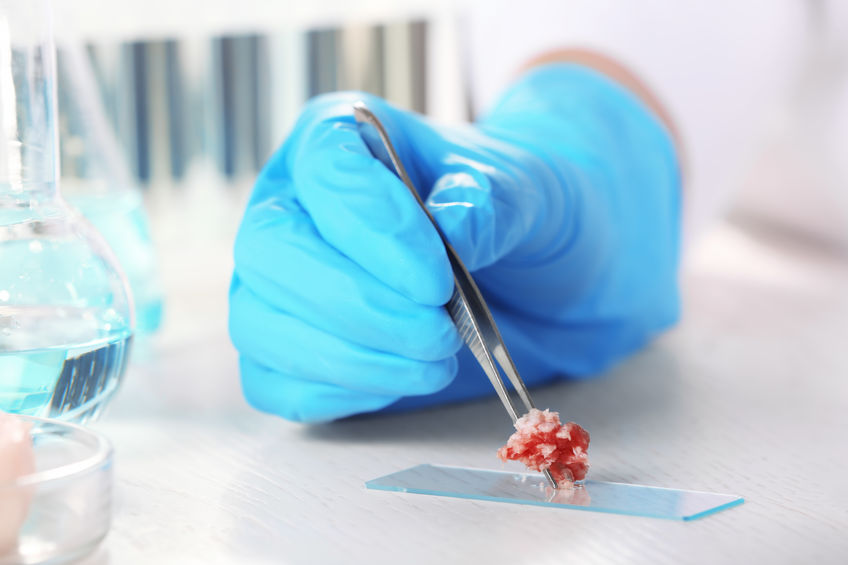
UK citizens are calling for stricter safeguards, farmer protections and mandatory labelling as cultivated meat moves closer to regulation.
A new report from the Cellular Agriculture Manufacturing Hub (CARMA) sets out public-led recommendations aimed at ensuring the emerging technology contributes to a fairer and more transparent food system.
Cultivated meat, which is grown from animal cells rather than produced through conventional livestock farming, has been developed over decades and is now edging towards potential commercialisation in the UK.
The prospect of these products entering the market has also raised questions within the livestock sector about long-term demand, food system power and how farmers could be supported through any transition.
CARMA is a collaboration between several UK universities and partners working to responsibly develop cellular agriculture tools and integrate them into food manufacturing.
As part of the project, researchers at the Royal Agricultural University convened a diverse citizen panel to examine the wider social, ethical and environmental implications of cultivated meat.
Over the past year, 18 participants engaged with scientists, regulators and other experts, discussing public health, sustainability, animal welfare, affordability and the distribution of power within the food system.
The group also contributed input into the Food Standards Agency’s “regulatory sandbox” – a framework designed to assess cell-cultivated products before any potential approval for sale.
Professor Marianne Ellis, director of CARMA, said: “It is fantastic that the Citizen Forum has been able to contribute in this way… such participatory research will continue to be central to our thinking and planning going forward.”
Rather than taking a simple position for or against cultivated meat, participants developed a set of conditions they believe must be met for the products to earn public trust.
James Riley, a research fellow at the Royal Agricultural University, said health impacts remain one of the public’s most immediate concerns.
“We know… that one of the main immediate concerns people have when they hear about cultivated meat is the potential health impact,” he said.
Among the recommendations were calls for two-year eating trials, mandatory long-term independent product testing, and strict controls on imports of cultivated meat.
However, Mr Riley said the proposals extend beyond safety alone, raising wider issues around transparency, equality and affordability.
Other recommendations include establishing a non-commercial governing body to oversee the cultivated meat sector and ensuring accountability for animal welfare, environmental impacts and market power.
Participants also urged analysis of how cultivated meat could affect food equality in the UK, alongside support for farmers through compensatory and transition schemes.
Despite concerns, the panel expressed cautious optimism about the technology’s potential to reduce animal suffering, lower environmental impacts and improve food system resilience by offering an alternative protein source.
They also called for clear, standardised and mandatory front-of-pack labelling, saying transparency would be essential to avoid consumer confusion. Suggestions included use of the term “cell” and explanations such as “grown from animal cells”.
Dr Atenchong Talleh Nkobou, senior lecturer at the Royal Agricultural University, said the Citizen Forum marks “the beginning of an ongoing public conversation, rather than a definitive verdict”.
He added that cultivated meat’s future in the UK will depend not only on scientific innovation, but on how the technology is governed, regulated and integrated into existing economic and farming systems.
The report suggests that alongside safety and consumer confidence, farmer transition support and clear oversight will be central to how cultivated meat develops in the UK food chain.