




Red meat finds growth online despite £400m takeaway downturn
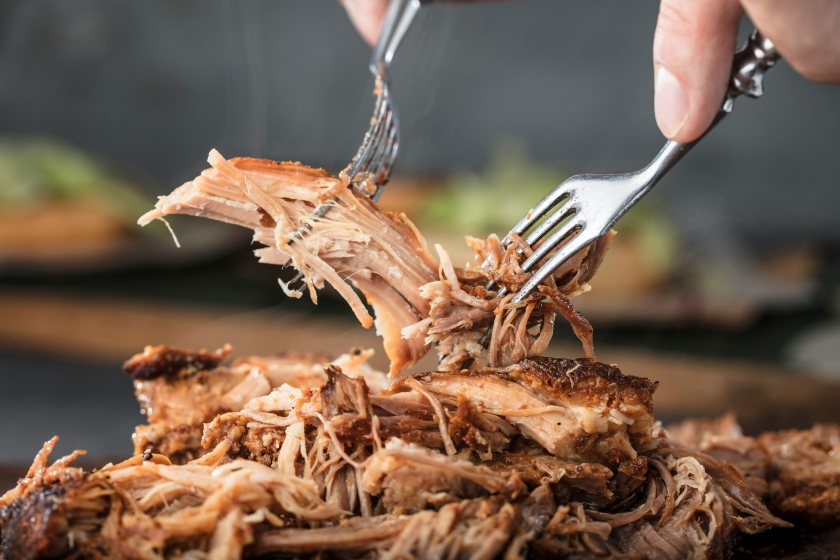
Pork and lamb sales through food delivery apps have surged despite a £400 million fall in spending across the wider takeaway and delivery market, offering a potential new growth avenue for the red meat sector.
New AHDB analysis shows pork spending through delivery apps rose 54.7% year-on-year, while lamb increased by 36.7%, significantly outpacing the broader market.
The figures could offer encouragement to British sheep and pig producers by highlighting stronger consumer demand for red meat through digital food platforms, although the analysis does not show whether this is feeding through into farmgate returns.
Overall takeaway and delivery spending fell 2.2% over the past year, although the sector remains worth £17.7 billion and accounts for 26% of all out-of-home spending.
Consumers are increasingly cutting back by placing smaller orders, buying takeaways less frequently or leaving the market altogether.
Cost-of-living pressures remain a major influence, with 80% of consumers now extremely or very concerned about living costs, up eight percentage points on last year.
Meanwhile, 72% of takeaway users now regard ordering one as a luxury purchase.
Against that backdrop, food delivery apps are proving more resilient.
Platforms including Deliveroo, Uber Eats and Just Eat generated £2.6 billion of takeaway and delivery spending over the past year, with expenditure through apps increasing by 0.5%.
One in five consumers in Great Britain now uses the platforms, with loyalty schemes helping to encourage repeat purchases and regular engagement.
For the red meat sector, that resilience presents a potentially important route to consumers at a time when the broader takeaway market is under pressure.
Pork and lamb growth through apps is running well ahead of the market as a whole, with burgers, sandwiches and pizzas continuing to underpin performance within the category.
Emma Wantling, Retail & Consumer Insight Manager at AHDB, said changing economic pressures and expectations around convenience were reshaping purchasing behaviour.
“The findings demonstrate the importance of understanding how consumers are adapting their purchasing habits in response to economic pressures and changing expectations around convenience.”
The opportunity is also extending beyond traditional takeaway meals.
AHDB's research found consumers using delivery apps for takeaways are increasingly adding groceries to their baskets, potentially opening another sales channel for retailers and red meat suppliers.
That crossover between foodservice and grocery purchasing could become increasingly significant as younger consumers use digital platforms for both prepared meals and everyday shopping.
Wantling said lamb and pork were well positioned to benefit as those habits develop.
“As delivery channels continue to evolve, lamb and pork are well placed to benefit from the growing role of apps in both takeaway and retail purchasing, helping to create new occasions for consumption and support future category growth.”
For British livestock producers and the wider meat supply chain, the figures point to changing consumer habits that could influence how lamb and pork are marketed and sold.
The sharp growth in app spending suggests convenience-led purchases, new meal occasions and the increasing overlap between takeaways and groceries could all provide opportunities to keep red meat in front of consumers.
AHDB expects digital ordering to play a growing role in future food purchasing, particularly among younger consumers, as the distinction between ordering a meal and buying groceries continues to narrow.




