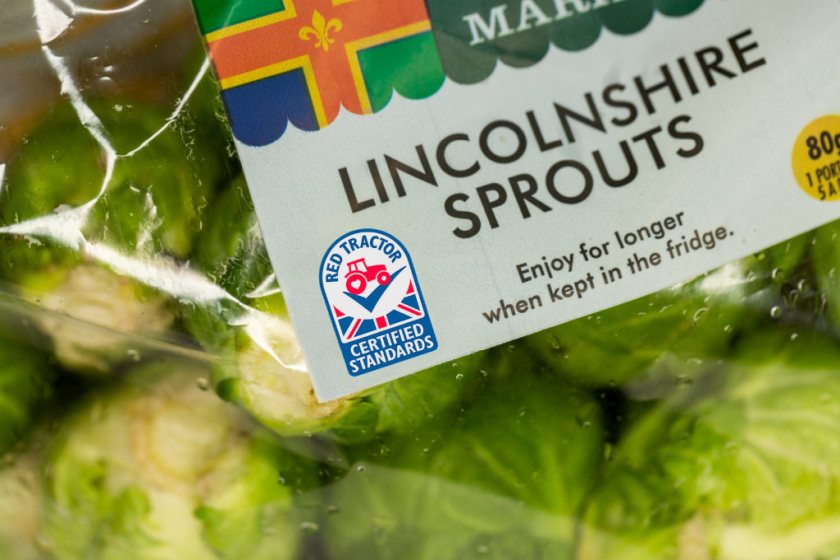
Red Tractor has set out its priorities for improving assurance across every major farming sector, launching a programme of work that will lead to a full review of farm standards in 2026.
The organisation said the new priorities, developed by its Sector Boards, are intended to give farmers and growers greater clarity on the direction of travel and to open the door for early feedback.
Red Tractor said the move marks an important step in its commitment to improved transparency and delivering “positive, tangible change” for UK agriculture.
The shift comes after years in which many farmers have criticised standards cycles for increasing audit burden, adding paperwork and creating communication gaps — and many remain sceptical about whether the revised process will lead to genuine reductions in audit pressures or simply reshuffle existing requirements.
Red Tractor’s previous attempts to update standards were also met with strong pushback from parts of the farming community, particularly over concerns about cost, bureaucracy and scope creep.
Chair of Red Tractor, Alistair Mackintosh, said: “By setting out these priorities, we’re giving stakeholders, including farmers and growers, a clear view of the direction of travel in each farming sector and providing an early opportunity for feedback.”
He added that the collective focus of the review is to reduce unnecessary audit burden, drive efficiency, and ensure “every audit point helps farmers to demonstrate due diligence or meet their customers’ expectations.”
The priorities sit alongside wider improvements already under way, including upgrades to the Red Tractor portal, strengthened communications and enhanced assessor training.
The organisation also acknowledged that retailer expectations, supply-chain visibility and customer assurance pressures continue to shape the standards environment, making it essential that the scheme remains rigorous while workable on farm. Farmers and supply-chain partners have been invited to share feedback via the Red Tractor website until 1 February 2026.
Red Tractor said the priorities were developed through its established governance structure. The Red Tractor Board sets overall strategy, while each farming sector — livestock, arable, horticulture and dairy — is represented by a Sector Board made up of farmers, vets, processors, retailers and supply-chain specialists. These boards will oversee the review and evaluate the specific needs of their sectors.
The next phase moves to the Technical Advisory Committees (TACs), which bring together subject experts to assess practical options, test feasibility on farm and develop detailed recommendations that reflect both sector priorities and real-world delivery.
Mr Mackintosh said farmers had been clear in calling for more transparency and meaningful engagement in the standards development process. “Farmers and growers have asked for greater transparency and clearer opportunities to have their say, and this is what we aim to achieve,” he said. “Feedback at this early stage will help shape the work that follows.”
Draft updated standards will be opened for comment during 2026, with UKAS-accredited final standards expected to be published and implemented in 2027. The industry will now scrutinise whether the new process delivers meaningful change when draft standards emerge in 2026.