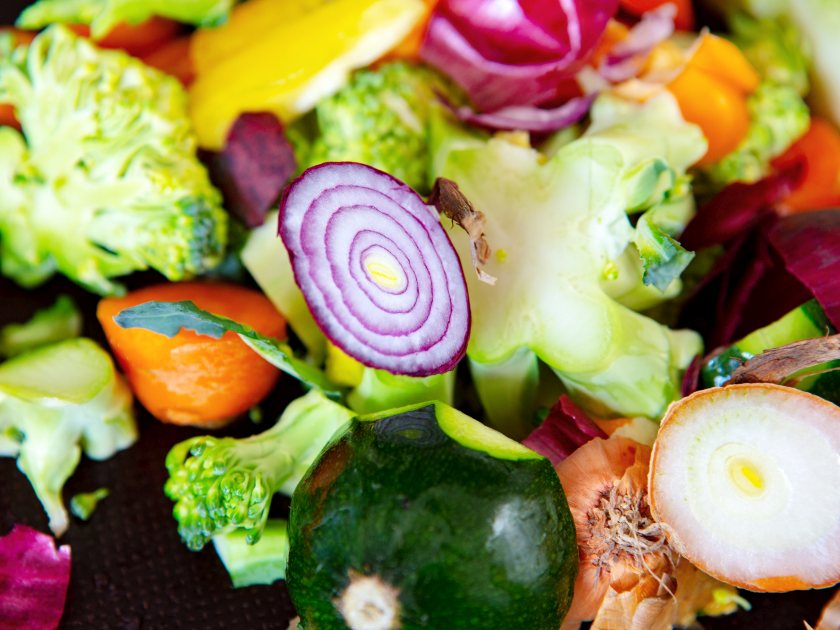
Rejected vegetables could become a new income stream for UK growers, as a processing machine promises to cut waste bills, recycle plastic packaging and unlock value from surplus crops.
Horticultural producers who package crops on-site are being offered a way to reduce disposal costs by separating out-graded vegetables from their packaging.
Organic material can then be reused as animal feed or for anaerobic digestion (AD), while plastics are recycled using technology already proven in other industries.
“If a farmer has packaged up vegetables to go to the supermarket, and for whatever reason they’re rejected, they have a huge waste problem to deal with,” explains Matthew Rowan, director at Rowan Food and Biomass Engineering. He adds that growers typically pay contractors to handle rejected crops, but “they could be doing it themselves on site – removing this expense”.
Processing surplus produce on-farm also creates opportunities for additional income while supporting a more circular system. “There could be an AD plant on-site, or at a local farm that needs feedstock – offering another revenue stream from what would otherwise have been wasted,” says Mr Rowan.
Backed by more than 100 machines supplied globally, the Dominator ER is produced by Dominator Depackaging, part of Rowan Food and Biomass Engineering, which works across sectors including food, pharmaceuticals, retail and plastics. “We have supplied over 100 machines to different industries around the world throughout the supply chain,” says director Phil Rowan.
Until now, the technology has largely been deployed at industrial scale, with machines capable of processing between 200 and 300 tonnes of material each week.
However, the company identified a gap further up the supply chain. “We recognised that we could provide help earlier in the chain, and support farmers in waste management,” says Mr Rowan. “So with that in mind, we’re now offering a smaller machine for farms, which can handle 10 to 20 tonnes of waste per week.”
The system is already being used in the horticulture sector to process grow bags. Once crops are removed, producers are often left with compost contaminated by plastic that must be disposed of.
“Once the plant has been removed from the bag, farmers are left with a bag full of compost, which has to be thrown away,” says Mr Rowan. “But the machine removes the plastic from the compost, so the compost can be used elsewhere, and the plastic recycled.”
Beyond farming, the machine has also been adopted by one of the UK’s largest pet food manufacturers, which had been disposing of around 30 tonnes of surplus product every week.
Previously managed off-site, rising disposal and transport costs led the business to seek a long-term alternative. With the Dominator ER now handling all material on-site, the company reports lower emissions, improved operational control and a projected return on investment in under 12 months.
Designed to be mobile, the machine can be leased or shared between sites, improving accessibility for growers. Mr Rowan believes the benefits extend well beyond cost savings.
“This really can be an answer to addressing food waste problems within farming, while providing a genuine diversification opportunity and environmental gains across the sector.”