




Scotland drives sharp rise in UK organic farmland figures
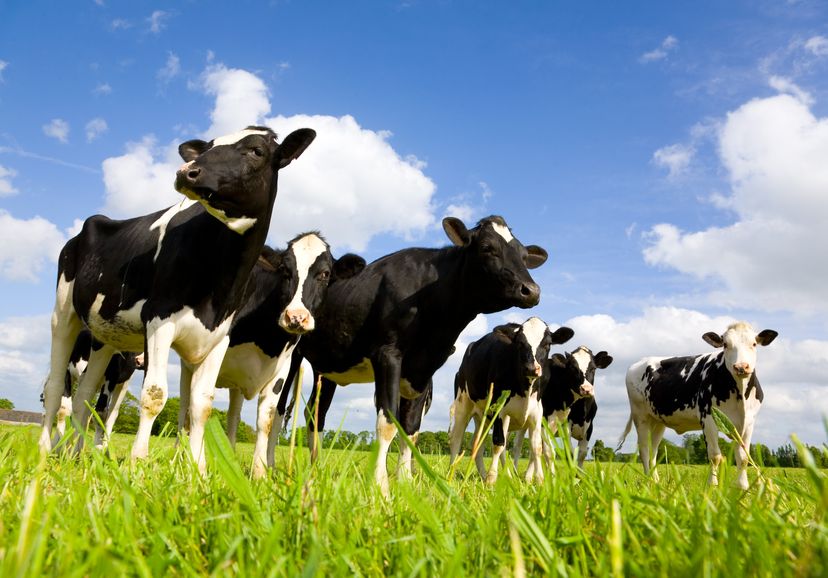
Organic farmland in the UK has reached its highest level in more than a decade, with new figures showing continued growth in land being converted to organic production systems.
New Defra figures show land managed under organic systems increased by 7.3% in 2025, reaching 540,000 hectares — the highest total recorded in over 10 years.
The sharpest growth came in Scotland, where land entering conversion to organic farming surged by 115%, rising from 26,000 hectares in 2024 to 56,000 hectares in 2025.
Scotland now has a 3.3% organic land share, up from 1.8% in 2021, leaving it close to the Scottish Government’s target of doubling organic farmland during the current parliamentary term.
The Soil Association said the increase reflected both economic pressures on conventional farming and continued consumer demand for sustainable food.
Soil Association Certification senior commercial manager Alison Muirhead said more farmers were recognising that lower-input farming systems could deliver environmental and financial benefits.
“Farmers are turning to organic as not only does it provide huge benefits for the environment and wildlife, it also makes good business sense,” she said.
The organic market has continued growing despite wider pressure on household spending, with demand driven by consumer interest in sustainability, health and British produce.
Ms Muirhead also pointed to rising fertiliser costs and geopolitical instability as factors behind the shift.
“Fertiliser costs were rising even before the Iran war, so it is unsurprising that farmers are looking for a system that doesn’t depend on gas from conflict zones,” she said.
She added that organic systems could help improve resilience to drought and flooding as extreme weather events become more common.
While England and Wales also recorded increases in land entering conversion, growth remained far slower than in Scotland.
England saw a 23% rise in land moving into conversion, increasing from 19,600 hectares to 24,200 hectares, with the West Midlands recording the largest regional increase.
Wales recorded a four per cent rise in land entering conversion, although the amount of fully certified organic land fell by six per cent.
The Soil Association warned stronger political backing would be needed outside Scotland if the rest of the UK is to keep pace.
“It is great to see a rise in organic land across most of the UK, but the increase is largely being driven by the appetite in Scotland,” Ms Muirhead said.
She praised the Scottish Government for supporting organic farming through funding programmes and policies designed to strengthen supply chains and improve access to local produce.
“We therefore urgently need Organic Action Plans for England and Wales so the whole of the UK can feel the benefits organic delivers,” she added.
Organic conversion can involve significant upfront costs, lower short-term yields and a transition period lasting several years, which can make switching difficult for some farms.
However, the latest figures highlight continued expansion in lower-input farming systems as producers respond to rising costs, changing consumer demand and increasing climate pressures.




