Shearer visa refusal sparks warning of UK labour shortfall this spring
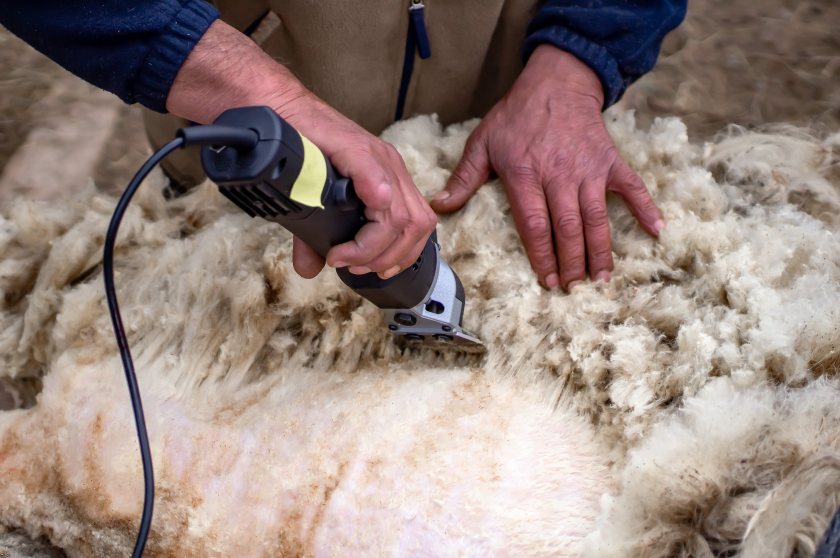
A looming shortage of skilled sheep shearers this spring could leave millions of UK sheep without timely shearing after the Home Office refused to grant overseas workers visa-free access.
The National Sheep Association (NSA) has warned that the decision risks dismantling a long-standing international exchange that underpins skills, training and labour supply in the sheep sector.
The rejection was confirmed on Monday (2 February) following correspondence between Mike Tapp MP, Minister for Migration and Citizenship, and Jill Hewitt of the National Association of Agricultural Contractors (NAAC), which leads on applications for the concession.
NSA chief executive Phil Stocker said the organisation was alarmed by the response. “NSA is dismayed to see the response from Mike Tapp MP, Minister for Migration and Citizenship,” he said.
For decades, shearers from Australia and New Zealand have travelled to the UK each spring and summer, while British shearers head overseas to extend their season, develop skills and build professional networks.
The NSA said this two-way movement supports animal welfare, productivity and the long-term resilience of the workforce, and warned that it is now under threat.
Mr Stocker said: “Shearers can visit the UK from Australia and New Zealand each spring and summer as part of a huge international exchange, in which shearers and shepherds travel the world making industry connections.”
He added that the implications could stretch beyond the immediate labour shortage. “It remains to be seen how our UK shearers and wider agricultural labourers may now fare as the UK negotiates future trade agreements,” he said.
Since 2011, a temporary concession has allowed up to 75 shearers from the southern hemisphere to work in the UK each year, helping shear between 1.5 million and 2 million sheep during peak season.
Without that support, the NSA has warned of pressure on animal welfare and on already stretched farm labour during a narrow seasonal window.
NSA policy manager Michael Priestley said the refusal marks a shift in how the issue is being approached by government. “The industry has successfully secured a concession every year, but this year the issue is being handled differently,” he said.
He said ministers believe the sector has had sufficient time to fill the gap domestically, but argued this overlooks the realities of the profession.
Despite between 800 and 1,000 people being trained annually, he said becoming a professional shearer requires years of technical refinement, physical conditioning and industry contacts.
Industry bodies are continuing discussions with government, warning that time is running short ahead of the spring shearing season.