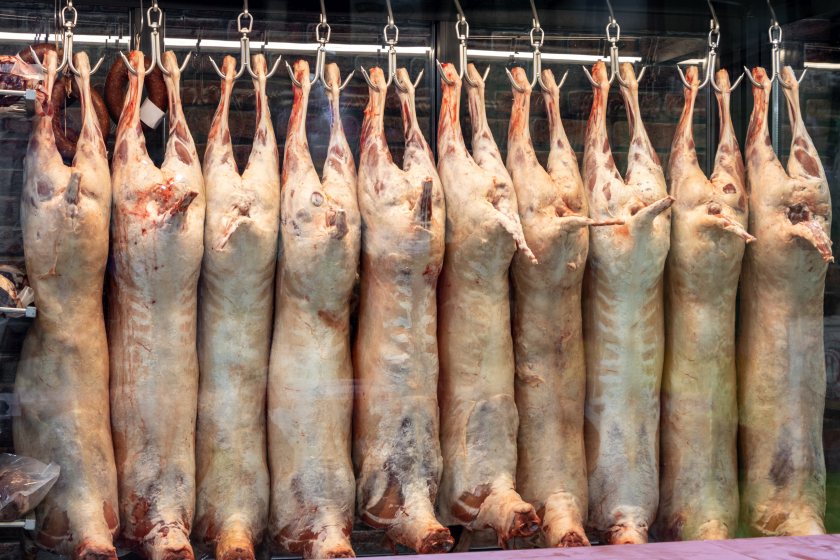
New mandatory rules on sheep carcase classification and price reporting came into force this week, marking a significant change in how lamb producers are paid at slaughter.
The regulations, introduced on 12 January, require sheep carcases in England to be classified and prices reported, bringing the sector into line with beef and pork.
The rules follow extensive consultation with the industry and are intended to create a consistent system showing how animals are assessed and valued.
For farmers selling lambs deadweight, the changes are expected to allow clearer like-for-like price comparisons between processors and improve understanding of what carcase traits attract premium returns.
Standardised classification is also designed to help producers respond more effectively to market demand and make more informed breeding and management decisions.
Improving fairness across the agricultural supply chain is a stated aim of the policy and is seen as an important part of maintaining the UK’s food security.
Farming Minister Dame Angela Eagle said supply chain transparency was essential to rewarding quality production. She said: “British lamb is rightly recognised worldwide for its exceptional flavour and production standards – and supply chain fairness is vital to ensure farmers and processors are properly rewarded for the quality food they produce.”
She added: “By ensuring a fair and transparent sheep market, we’re backing British producers, strengthening our food security and supporting a resilient future for the sector.”
Industry leaders say the changes will bring greater clarity for producers, particularly when comparing prices between abattoirs.
National Sheep Association chief executive Phil Stocker said: “I welcome the introduction of this new regulation on which Defra has worked closely with industry. It’s a helpful step to simplify and give more clarity to sheep farmers over deadweight price comparisons between processors.”
He said the rules also change how grading is overseen. “It also means that for all but the smallest abattoirs we will now see sheep carcass grading come under the control of the RPA, bringing us in line with cattle grading,” he said.
Stocker said the measures would help build confidence across the supply chain. “Both these improvements further ambitions to create better transparency and trust through the supply chain,” he said.
He added that farmers selling live through marts would not be directly affected, saying: “We are in a better place with choices and greater transparency in how we choose to sell our lambs.”
Under the regulations, slaughterhouses in England processing 2,000 or more sheep per week on a rolling annual average must register with the Rural Payments Agency and comply with the rules.
Abattoirs processing between 1,000 and 1,999 sheep per week may choose to opt in voluntarily, with mandatory classification applying to carcases from sheep under 12 months of age.
Slaughterhouses within scope must report carcase prices, weights and classifications to the Agriculture and Horticulture Development Board, with data anonymised and published in aggregated form to improve market transparency.
Similar regulations also take effect in Scotland this week, with Wales and Northern Ireland expected to introduce equivalent measures in early 2026.
The changes are part of wider efforts to strengthen supply chain resilience, protect farmers in trade agreements and support a more transparent and sustainable food system across the UK.