




Strong organic milk prices open door — but capacity remains tight
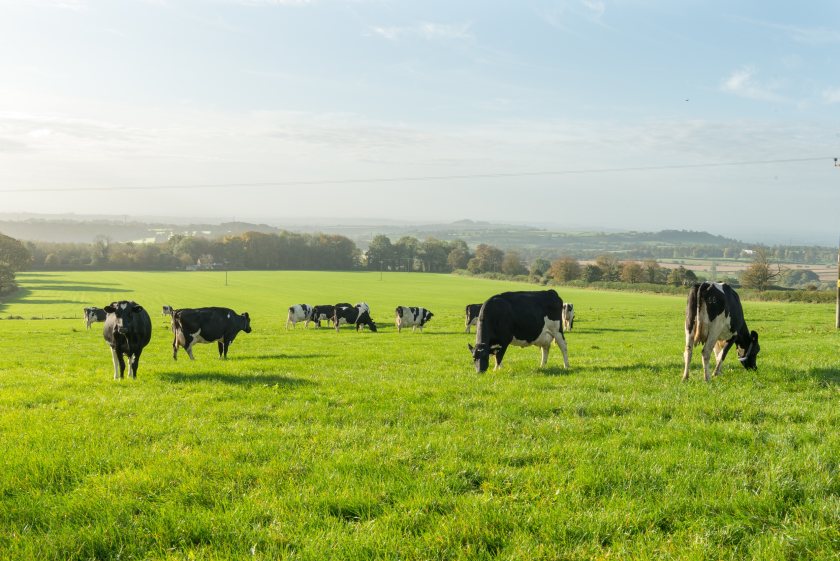
Strong organic milk prices and continued undersupply have created a rare growth opportunity for dairy producers — but the market remains tight and finely balanced.
Demand for organic milk is forecast to increase by around 1–2% year-on-year, according to industry estimates.
While that points to steady retail demand, processing capacity constraints mean overall volumes must be carefully managed, particularly with the spring flush approaching.
The organic sector has seen periods of contraction in recent years as rising costs and weather volatility squeezed margins.
Now, with prices strengthened and supplies still below peak levels, attention is turning to how farmers can respond without destabilising the market.
ForFarmers is urging producers to review feeding strategies to ensure any lift in output is efficient and aligned with milk buyer requirements.
“Forage will always be the cornerstone of organic milk production, and that won’t change,” said Ben Trott, organics product manager at ForFarmers.
Organic standards require at least 60% of dry matter intake to come from forage, placing significant pressure on forage quality and utilisation. However, recent unpredictable growing seasons have left many farms struggling to maintain consistency and feed value.
“There were periods of good grazing last year, particularly in the autumn, but many farms are still feeling the effects of difficult growing seasons,” Mr Trott said.
“It’s essential to use forage effectively by supporting with the right supplementary feeding, rather than asking it to do too much and yields suffering as a consequence.”
Higher milk prices have improved margins, creating room to reassess concentrate use. In organic systems, up to 40% of dry matter can come from concentrates — but that portion must be carefully balanced to protect profitability.
“In organic system, up to 40% of dry matter can come from concentrates, and that portion of the diet needs to work hard,” Mr Trott said.
He added that, where processor contracts allow, some producers may have scope to lift output. “Being in a strong position now means producers are also ready to push on further when the market allows.”
However, the risk of overproduction remains. With limited processing headroom, rapid increases in supply could quickly pressure prices if demand does not keep pace.
Feed volatility also presents a challenge. Organic producers do not have access to the same range of nutritional tools as conventional systems, including synthetic amino acids, making ration formulation and protein efficiency more critical.
“That’s where specialist advice really adds value,” Mr Trott said, adding that rations can be tailored to forage analysis, herd performance and system goals to support yield without undermining the forage base.
With the spring flush looming, producers face a delicate balancing act — taking advantage of improved returns while ensuring production growth remains disciplined and in line with market capacity.




