




UK farmers hit by £337m fuel cost surge after Iran oil shock
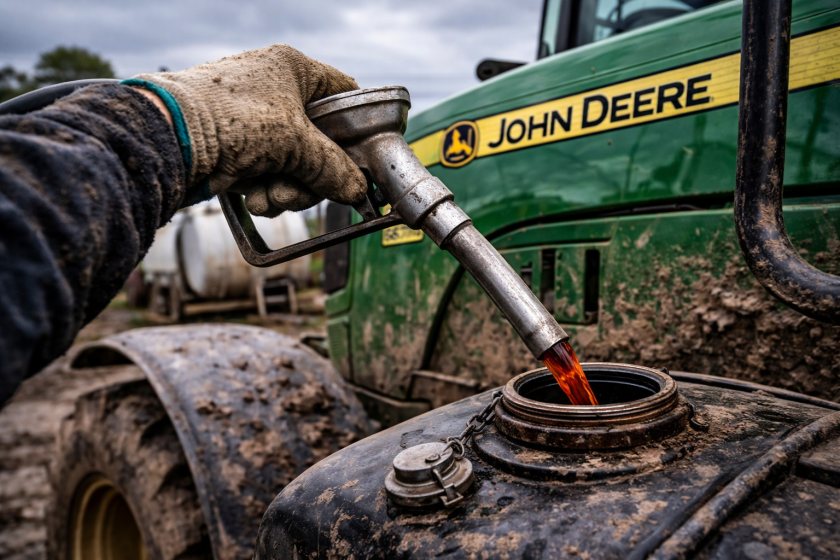
Farmers across the country face a £337m surge in fuel costs after an oil shock linked to tensions involving Iran sent red diesel prices soaring.
New analysis indicates machinery running costs could surge in 2026, piling pressure on farm businesses already grappling with falling incomes and extreme weather.
Since late February, red diesel prices have jumped by around 70% — rising from roughly 69p per litre before the conflict to about 117p, as global oil prices hold above $100 a barrel due to the US-Iran conflict.
Research by the Energy and Climate Intelligence Unit (ECIU) suggests that, if prices remain at current levels, farmers could collectively pay at least £337m more each year to run tractors, combine harvesters and other machinery.
Tom Lancaster, land, food and farming analyst at the ECIU, said: “The price of red diesel has rocketed to levels even higher than in 2022 in the wake of the Russian invasion of Ukraine.
“This fuel is used to help drill and harvest crops and apply fertiliser. Farmers now face an oil price cash crisis, just as arable farm incomes are forecast to fall to record lows after last year’s drought.”
He added that the latest spike marks another in a series of compounding shocks for the sector.
“This is the second oil and gas price shock that farmers have faced in just a few years,” he said.
“Burning oil and gas is both driving more extreme weather and price shocks, which combine to undermine the resilience of our food security.”
The timing is particularly acute. Farmers are heading into a critical period of fieldwork, including ploughing, drilling crops and applying fertilisers and pesticides — all of which require significant fuel use.
While some may have secured fertiliser supplies in advance, red diesel is less commonly stockpiled due to storage constraints. Prolonged wet weather since January has also delayed field operations in many areas, increasing pressure on already tight schedules.
On the ground, farmers say the pressure is already reshaping how they operate.
Tom Edmondson, a mixed farmer from Buckinghamshire, said: “Growing cereals like wheat and barley is now a very risky business.
“With the extreme weather of recent years and repeated energy price shocks, it’s becoming increasingly difficult to make a margin on growing these key staples.”
The ECIU analysis is based on official estimates of agricultural red diesel use. Broader figures from the Office for National Statistics suggest costs could be far higher — potentially exceeding £1bn this year.




