




'Broken food market': Lib Dems pass motion calling for new agricultural policy
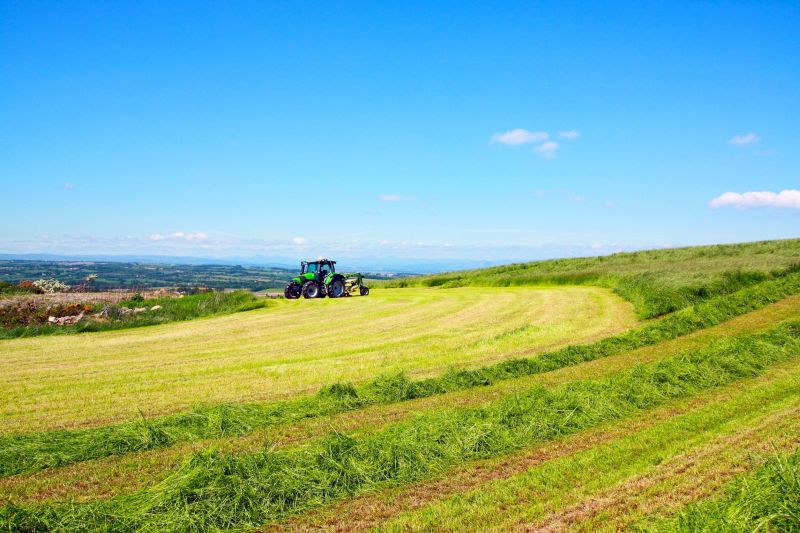
The Liberal Democrats have passed a motion calling for a new agricultural policy which recognises the "crucial role" farming plays in providing food and employment.
At the party's spring conference in Southport this weekend, the Lib Dems passed the motion calling for a new approach on agriculture policy.
The motion calls for a new agriculture policy which recognises the crucial role that farming, horticulture and forestry play in producing food, providing employment, shaping the rural environment and enriching lives.
This comes as part of a wider policy on rural communities that calls for measures like increased investment in flood protection and support for the rural economy.
The conference noted that national policy decisions tend to be made with urban communities in mind and, therefore, they do not always benefit rural communities as well as they could.
Liberal Democrat farming spokesperson Tim Farron said the UK cannot have a "one-size-fits-all approach", and that the current food market is "broken".
“Michael Gove’s farming proposals have been written to win headlines, without thinking through the real impact on our rural communities,” Mr Farron said.
“It is right that overall income support payments should be reduced, and that we should be helping farmers to provide public goods such as environmental schemes.
“But support payments in some form continue to be necessary because of our broken food market and the total domination of supermarkets and food processors.
“We also need to ensure that smaller family farms are protected from the impact of Brexit. Abruptly removing direct payments for these farms could make them completely non-viable.
“Not only would that be a tragedy for our farmers, it would damage our landscape and reduce Britain's ability to feed itself.”
The conference noted that rural communities face substantial challenges in the following areas.
Housing
Housing in rural areas is less affordable than housing in urban areas (excluding London) and average wages are lower and average house prices higher.
The conference heard how this damages communities by forcing key workers to live outside the communities in which they work.
Services
Access to services in rural areas – broadband services, mobile coverage, public transport, postal services and health and social care services – "lags too far behind" that which is available in urban areas.
Economy
There has been a large change in the type of employment available in rural areas – with a growth in tourism and other service industries – and these jobs require the rural population to have a "broad and flexible" skill base that is not encouraged through existing training routes.
Land use and the environment
Farming, horticulture and forestry need to be able to deliver a sufficient quantity of food and other products for the UK market while actively protecting and caring for the environment.
Flooding
The conference heard how many rural and coastal communities are still suffering the consequences of severe flooding in recent years; it said they lack both the support to recover and the funding for new flood protection.




