




'Pulses are good for people, and are good for soils'
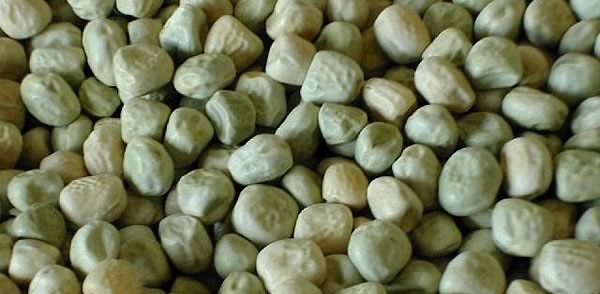
"Pulses are good for people, and are good for soils," Eduardo Mansur, the head of the UN's Food and Agriculture Organisation land and water division said today at an event highlighting benefits of pulses.
The event stated the promising future of edible seeds such as lentils, chickpeas and pigeon peas, all often neglected in the shadow of the world's major staple grains.
The event - "Soils and pulses; symbiosis for life" - sees a strong link between the 2016 International Year of Pulses and the 2030 Sustainable Development Agenda.
Participants highlighted how pulses offer exceptional nutritional inputs to human diets, are economically affordable, use relatively little water compared to other protein sources, and also reduce the need for industrial fertilizers.
Pulses can fix hefty quantities of nitrogen in the soil, boosting fertility and reducing - by millions of tonnes globally - the need to apply the key nutrient for food crops.
Bean seed quality can enhance productivity as well as genetic diversity of key pulses varieties, which can be leveraged to boost plant resistance to diseases and pests.
Experiments also show that rotating legumes with grain crops could save up to 88 kilograms of nitrogen per hectare in Europe, where fertilizer use is high by international standards.
There has been a sharp global reduction in pulse production compared to cereals since 1962, and reversing that would lead to virtuous outcomes including lower carbon costs per unit of glucose.
Pulses and policy
Other participants pointed out that pulses typically offer farmers higher profit margins than cereal grains and can thus play a key role not only in boosting human and ecological health but also in helping reduce rural poverty.
"Agriculture is increasingly strategic in our daily lives," said Aydin Adnan Sezgin, Turkey's permanent representative to FAO and co-chair of the International Year of Pulses Steering Committee.
Possible policy measures were also discussed. Several panellists noted the potential role for agricultural subsidies in favour of pulses, along the lines of those in broad use for grains.
The particular role of smallholders, however, warrants special attention at a time when food systems and supply chains are increasingly intertwined, said Wafaa El-Khoury, a specialist at the International Fund for Agricultural Development (IFAD).
Without interventions, productivity enhancing skills may be more available to larger farm enterprises, pushing family farmers onto marginal lands, she said.
The International Year of Pulses offers a platform to highlight issues that can make great contributions to the Sustainable Development Goals, including those of eradicating hunger, promoting health and assuring access to clean water.




