




Agricultural and agri-food exporters applaud signing of CETA
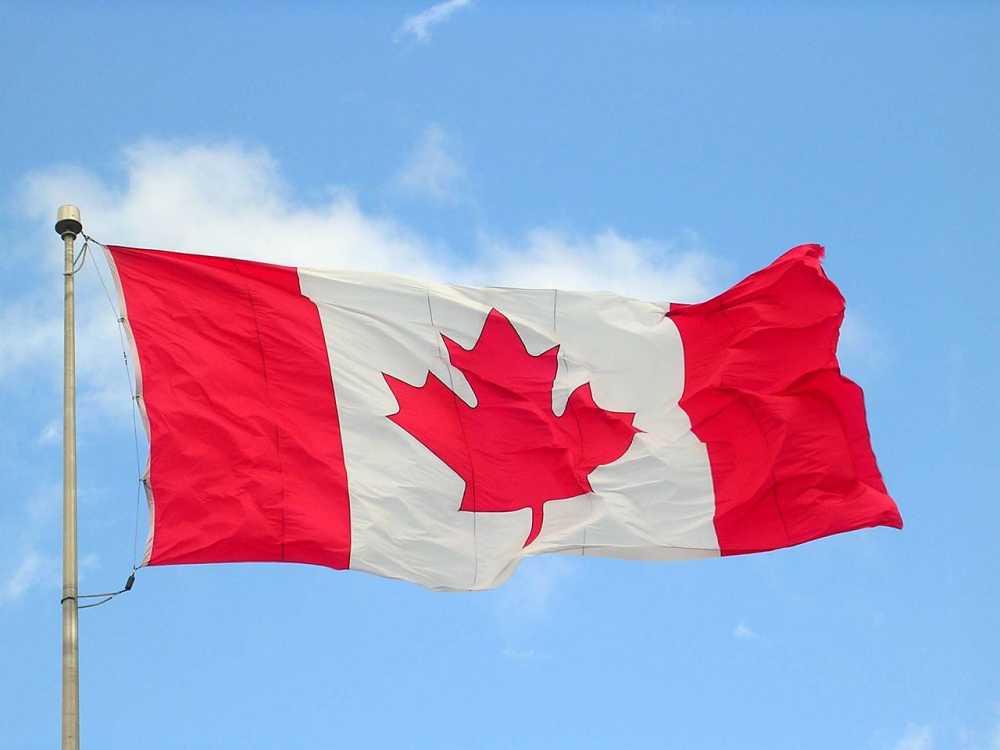
After a week of intensive negotiation, the EU and Canada have signed a much-delayed Free Trade Agreement, the Comprehensive Economic and Trade Agreement (CETA).
The Canadian Agri-Food Trade Alliance (CAFTA) has applauded the government of Canada for signing CETA.
"Seeing Canada's largest trade agreement since NAFTA get signed is a bright light for agri-food exporters," said Brian Innes, CAFTA president.
"Better access to the EU will help us grow our exports, driving growth here in Canada."
European Commission President Jean-Claude Juncker referred to "a new chapter" in relations between the EU and Canada, which would open new opportunities "more than half-a-billion people on both sides of the Atlantic".
Capturing more value from agri-food exports
Eliminating barriers to trade through the CETA will allow Canada to capture more value from agri-food exports to the EU. Canada exported £1.6 billion in agriculture and food products to the EU in 2014.
When the CETA is fully implemented, it will eliminate EU tariffs on almost 94 per cent of Canada's agri-food products.
The agreement could drive additional exports of up to £920 million, including £370 million in beef, £245 million in pork, £61 million in grains and oilseeds, £61 million in sugar containing products and a further £184 million in processed foods, fruits and vegetables.
Earlier last week, the deal looked to be in trouble after the French-speaking Belgian region of Wallonia rejected the deal, leaving Belgium unable to ratify it.
However, following intense negotiations, an addendum to the deal has addressed regional concerns.
This allowed the deal to be signed on Sunday by Canadian Prime Minster Justin Trudeau and top EU officials.
The revised deal still needs to be approved by the EU parliament, 28 EU Member States and by Canadian province. Subject to this, though, the agreement should enter into force next year.




