




'Serious risk' to family farms as dairy incomes collapse across Wales
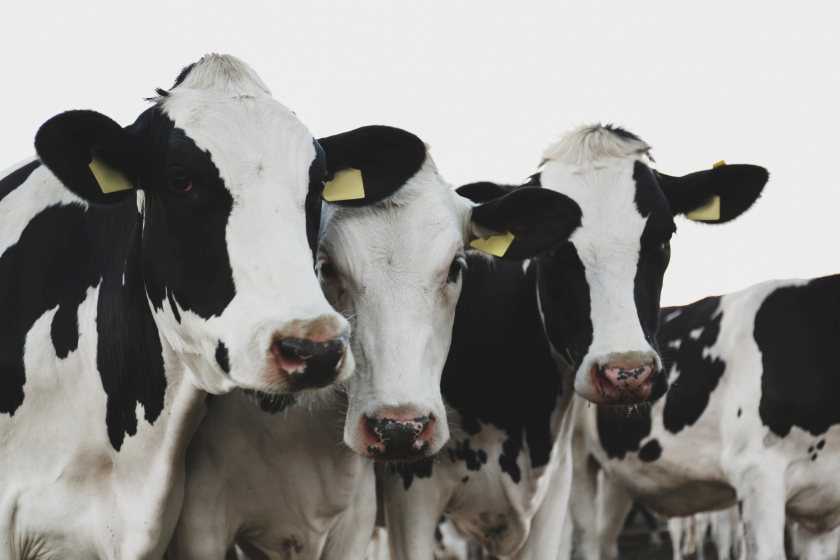
A sharp plunge in dairy prices has triggered alarm, with the Farmers’ Union of Wales warning that some family farms now face losses running into thousands each month as the crisis deepens.
The union said the scale and speed of the downturn is placing intolerable pressure on producers already contending with regulatory change and wider economic uncertainty.
An emergency meeting of the FUW’s Animal Health & Dairy Committee heard reports of widespread anxiety from all parts of Wales, with representatives noting that milk prices had “drastically” fallen over the autumn and that processors were signalling further cuts into the new year. Commodity markets, farmers were told, offered little sign of relief before spring.
Some farmers have approached the union confidentially, fearing repercussions with processors, to warn that projected milk payments over the coming months could fall well below the cost of production.
The FUW highlighted analysis showing average milk prices forecast at just 30 to 35 pence per litre, compared with estimated production costs of 39 to 44 pence. On those figures, the typical Welsh dairy enterprise could be losing thousands of pounds every month if the current trends continue.
Following its committee meeting, the FUW raised concerns directly with the Deputy First Minister, Huw Irranca-Davies, during discussions in Cardiff on 3 December.
Union officials warned that rapidly falling prices presented an immediate threat to the future of many family-run farms and urged ministers to consider what support or intervention may be required to avoid long-term damage to the sector.
Gerwyn Williams, chair of the Animal Health & Dairy Committee, said the situation had deteriorated at a pace that many farmers could not have anticipated.
He warned that the combination of high input costs and collapsing returns was creating “an impossible situation”, adding that the viability of many family farms was now at “serious risk”.
Williams also cautioned that if rumours of the downturn lasting into summer 2026 proved accurate, “businesses [will] shut”, noting that modest-sized farms had already invested heavily in infrastructure to meet regulatory demands and improve efficiency.
FUW Deputy President Dai Miles stressed that the consequences stretched far beyond farm gates. He said dairy farming underpins thousands of jobs in Wales and remains central to the economic, social and environmental fabric of rural communities. When prices collapse so sharply, he warned, “it isn’t just farmers who suffer – local businesses, services, and entire communities feel the impact”.
Industry analysts say the crisis reflects a broader softening in global dairy markets, with weaker demand and increasing supply contributing to falling commodity values.
Some sector observers note that while prices may recover later in 2026, the immediate financial shock is likely to test the resilience of family farms already carrying high borrowing and rising operational costs.
Opposition politicians have also expressed concern, warning that prolonged losses could accelerate farm closures and undermine rural economies.
They have called on ministers to provide clarity about what short-term measures may be considered if the situation continues to deteriorate.




