




Brexit 'biggest challenge' for agriculture on Scottish Highlands and Islands
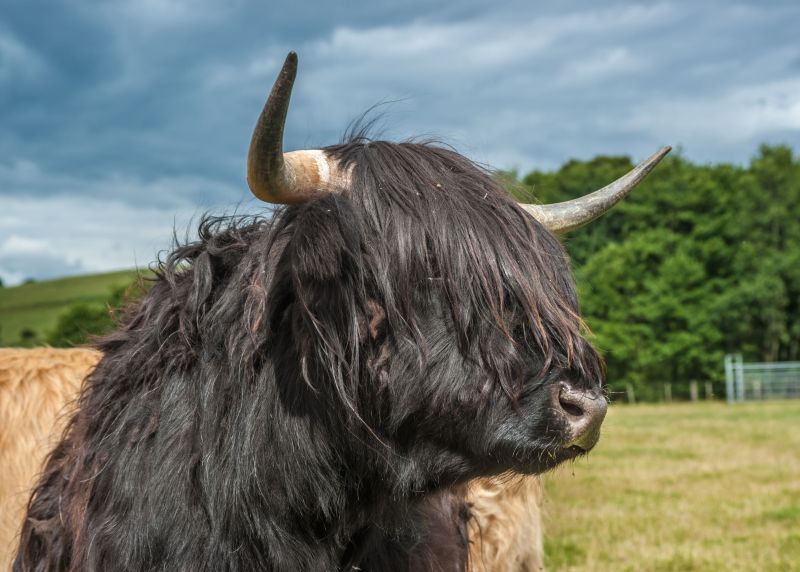
Agriculture in the Scottish Highlands and Islands could be faced with significant challenges post-Brexit, a new report has warned.
The report assesses the likely impacts of different Brexit scenarios on the economy. It concludes that existing trends such as declining agricultural activity, land abandonment and a shrinking agricultural workforce, could be accelerated by Brexit.
It calls for future policy and funding to respond to these challenges and reflect the distinctive needs and contributions of the Highlands and Islands.
The Highlands and Islands Agriculture Support Group (HIASG) which commissioned the report, is now calling on the Scottish Government to take note of its findings and ensure that future farming, land management and rural development policy provides a targeted response.
The report ‘Post-Brexit Implications for Agriculture in the Highlands and Islands’ will be highlighted by Fergus Ewing, Cabinet Secretary for Rural Economy and Connectivity, who will speak about the report at an event in Edinburgh, which is being attended by representatives of farming.
Mr Ewing said the report highlights the distinctive challenges of farming in the Highlands and Islands, both in terms of the land and those available to work it.
“It confirms what I have been saying ever since the Brexit referendum – that Brexit is going to be the biggest challenge that the industry and rural communities has faced for generations,” Mr Ewing explained.
“It is therefore vital that the special circumstances of the Highlands and Islands are not ignored, and that their unique social, economic and environmental conditions remain supported.”
'Wake-up call'
Douglas Irvine, Economic Development Manager for Shetland Islands Council, said the report is a wake-up call and shows how important farming and crofting is to the economy, people and environment of the Highlands and Islands, but also how vulnerable it is.
“The challenges faced here look set to increase rather than diminish,” Mr Irvine said.
“We urge the Scottish Government to ensure future farming and rural policy and funding responds effectively to the scale of the challenges faced by this region and is well targeted.
“The Government must set out its thoughts on this as a matter of some urgency to give farmers, crofters and other rural businesses time to adapt to the changes that are coming.”
Just over two-thirds of Scotland’s High Nature Value farmland is located in the Highlands and Islands region due to extensive farming methods and small-scale farming and crofting.
The region has a high share of sites designated for their national and international environmental importance, benefiting birds such as corncrake and curlew, great yellow bumblebees and habitats such as machair and peatlands.
'Environmental importance'
Vicki Swales, Head of Land Use Policy at RSPB Scotland, said the continuation of traditional farming and crofting practices have helped to create a region that is of enormous environmental importance.
“We call on the Scottish Government to ensure that, in future, the environmental land management carried out by farmers and crofters – and all the public benefits that provides – are properly supported and rewarded,” Ms Swales said.
“A recent public poll showed overwhelming public support for farmers being paid for managing their land in ways that are good for wildlife, reduces climate warming greenhouse gases and improves water quality, amongst other things. The Highlands and Islands are well placed to benefit from such an approach.”




