




Brexit could 'significantly impact' Scottish food quality, minister warns
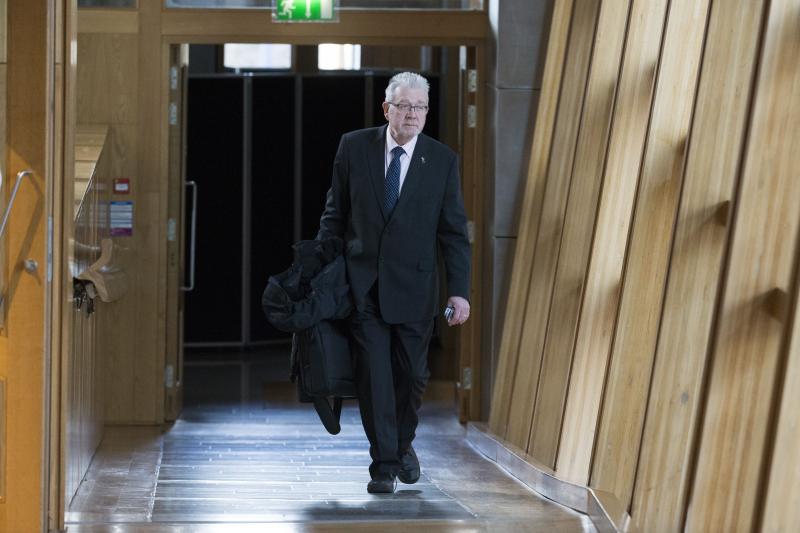
Brexit could "significantly impact" the cost and quality of food consumed in Scotland, according to a prominent Scottish minister.
Michael Russell, Minister for UK Negotiations on Scotland’s Place in Europe has warned that leaving the EU will negatively impact Scotland's highly-prized food and drink sector.
Overseas Scottish food and drink exports were worth approximately £6 billion in 2017, an increase of almost £570 million more than 2016, according to new statistics.
But the Scottish government believes that leaving the single market and customs union risks access to its biggest overseas food and drink export market.
Mr Russell says there is a danger that Brexit could have a significant impact on the cost and quality of produce consumed in Scotland.
The Minister will speak at a roundtable featuring figures from across the sector and chaired by Food Standards Scotland Chair Ross Finnie.
The event in Edinburgh will focus on the practical challenges of getting products to market after the UK leaves the EU.
Mr Russell said: “During my meetings with food producers over the past few months it’s been clear that Brexit poses significant challenges, not least in relation to the real concerns many businesses have about attracting and retaining their workforce.
“There are also continuing questions about what kind of trading and regulatory relationship we will have with the EU after the UK leaves.
“This underlines why the Scottish Parliament must retain control over devolved matters such as food standards, labelling and safety – to maintain Scotland’s high standards – and why the Parliament voted overwhelmingly not to consent to the Withdrawal Bill as it currently stands.
He added: “This roundtable is an opportunity for Scottish businesses to discuss the practical impacts of Brexit, whether that is market access, protecting employees, future customs arrangements or protecting the value and reputation of our produce.”
Food Standards Scotland’s view is that any change in food regulations as a result of the UK’s exit from the EU should not cause Scottish consumers to experience any reduction in already high standards of food safety and food authenticity, or any change to the provision of healthy eating advice for people living in Scotland.
Ross Finnie, Food Standards Scotland Chair said: “Internal markets can operate effectively with a mixture of shared and differing rules. Intervening in the market for reasons of public interest, such as the protection of public health, is a long-established principle and should not be compromised.
“It is our firm belief that Food Standards Scotland is best placed to ensure the continued protection of public health in Scotland in relation to food.”




