




Campaigners blame government policy as rural homelessness surges
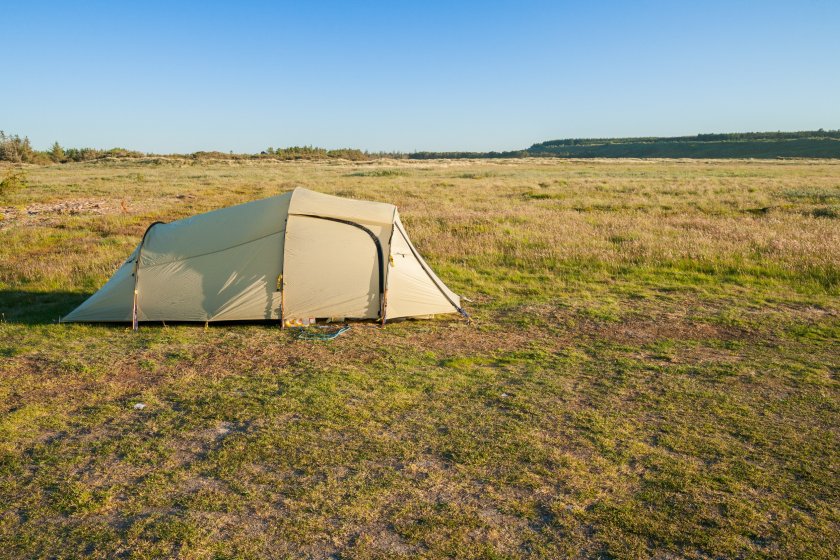
Countryside campaigners have blamed government policies for a substantial increase in rates of rural homelessness.
CPRE, a countryside charity, said that 'under government policies', there has been a 24% increase in rates of homelessness in rural areas.
Research by CPRE and English Rural found that rural poverty, exacerbated by high housing costs, were the fundamental drivers of rural homelessness.
It comes after the Home Secretary proposed new laws to restrict the use of tents by homeless people, saying that many of them see it as a "lifestyle choice".
Suella Braverman's plan would roll out new penalties for homeless people who authorities believe have ignored offers of help.
The controversial plan is expected to be included in the King's speech on Tuesday (7 November).
Commentating on the remarks, Brad Taylor, rural campaigns officer at CPRE, said it was actually government policies to blame.
"Everyone has a right to live in a home they can afford, and no-one in England should find themselves without a roof over their heads," he said.
'Instead of criticising those who find themselves in the position of having nowhere to live, we would encourage the Home Secretary to speak to those who have sought to understand the causal factors of rising rates of homelessness."
According to CPRE's research, local authorities in rural areas receive 65% less funding per capita than urban areas for homelessness prevention and support services are dispersed and often unavailable.
Mr Taylor said there needed to be renewed political commitment to ending all homelessness, including rural homelessness.
"This will require an ambitious plan to alleviate rural poverty and provide a new generation of social rented homes."
It follows seperate research from earlier this year which found that the poorest and most vulnerable people living in the countryside were 'overlooked and underserved' by government policy.
Voluntary groups, charities and communities were 'left to fill the gaps' left by a 'relative lack of direct support' from the government for rural communities.




