




Export markets bring Gleadell's shipments to over 1m tonnes

Gleadell Agriculture have recorded another season of sustained growth as their total shipments ’ exports of grains, oilseeds and pulses plus imports of fertiliser and specialist commodities - have exceeded one million tonnes.
’Gleadell have been responsible for exporting over 20% of the UK’s wheat surplus this season as well as a substantial tonnage of malting and feed barley, pulses and oilseeds. This has been the result of working closely with our shareholders and other customers abroad - and we have been grateful for the superb support of our farmer customers and hauliers,’ comments David Sheppard, managing director of Gleadell Agriculture.
’Our export business at Immingham and Grimsby continues to thrive and to be a key market driver for its large hinterland and, in its first full season, our Great Yarmouth facility has performed well. We also expanded our south coast business.
’Destinations have included a host of traditional markets such as the Netherlands, Ireland, Spain, Italy and Portugal - plus some important new markets including Morocco, Tunisia, Turkey and Mauritania. For an island nation like the UK, export and import markets will continue to set the price agenda as domestic demand fluctuates wildly.
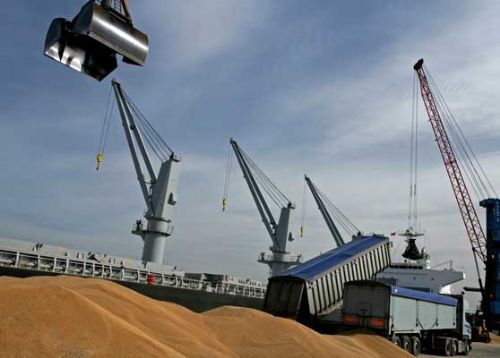
’Our logistics team are also able to move large amounts of grain over a short period of time ’ something farmers really appreciate in these days of low staffing numbers on most farms.’
Gleadell’s activity in numerous ports also includes substantial incoming shipments by the company’s fertiliser business, based on their Avonmouth and Immingham facilities, plus the ongoing specialist imported commodities business. A measure of the success of the fertiliser business is that Gleadell is now a major force in bringing quality imported products to a UK fertiliser market that is reliant on imported products to meet demand that domestic producers can get nowhere near satisfying.
’When all this activity is added up, our shipments this season are substantially over one million tonnes - a large tonnage in a small crop year and one that we are all proud of,’ Mr Sheppard adds.




