




Farmers put in place measures to aid farmland bats
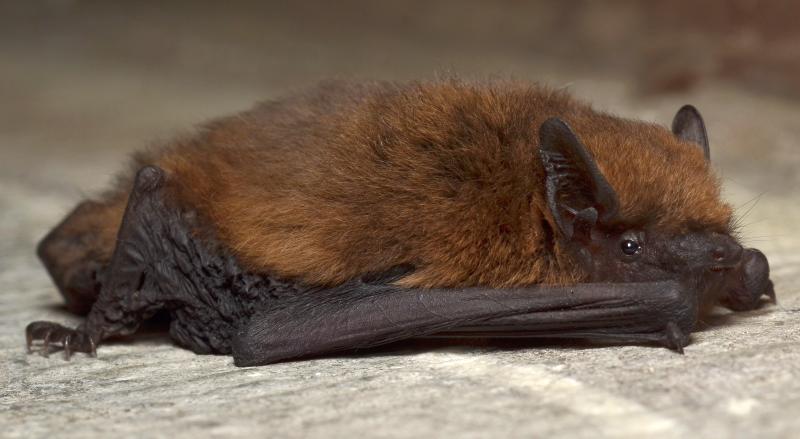
Environmental measures farmers are putting in place for birds and bees could be aiding another popular farmland creature, a new study has revealed.
Over the past 12 months, scientists at the Game & Wildlife Conservation Trust (GWCT) have been studying bats across Dorset and Hampshire to understand how farming practices affect them.
AgriBats - a project funded by the Heritage Lottery Fund - has shown that providing agri-environment scheme (AES) habitats, such as wild bird seed plots or pollen and nectar plots, can benefit a range of foraging bat species.
All 18 species of bat found in Britain feed on insects such a midges, beetles and moths so AES habitats that support a wealth of insects should, in turn, help our bat populations.
Over the study more than 10,000 bat recordings were taken on 15 farms.
Recordings included several uncommon species such as barbastelles, Nathusis’ pipistrelles, lesser horseshoe and greater horseshoe bats.
Additionally, over 90,000 insects were identified from the same habitats, to understand why bats might be attracted to specific AES.
Decline
During the 20th century several European bat species experienced declines due to a combination of factors including loss of roost and feeding sites.
Bat roosts in Britain are protected under legislation, but feeding sites are not, making them susceptible to land use change.
As over 25% of land in Britain is arable farmland, GWCT were keen to understand how the impacts of agriculture on potential bat feeding sites can be reduced.
Talking at the end-of-year project workshop, chief executive Teresa Dent CBE said: “This study ticks all the boxes.
“We love working with farmers and relish the chance to look at things for the first time. Seeing a wonderful team of young scientists taking steps to further the work of their predecessors is what we pride ourselves on.”
'Bats are overlooked'
Since 2008, Defra has included eight bat species within its set of indicator species, with their presence used to gauge biodiversity success.
Despite this, no AES measures currently exist to specifically help Britain’s bat populations. As the UK moves towards a post-Brexit farming policy, GWCT said it is important to recognise the variety of species farms support.
GWCT postdoctoral ecologist Niamh McHugh, who managed the project, said: “We hope to take these findings to government to showcase and champion what farmers can deliver.
“Bats are often overlooked when people think of farmland, but we hope this project will help landowners to learn how to better conserve these fascinating creatures and will result in positive changes in land management practices nationwide.”




