




Farmers urged to start silage-making season as safely as possible
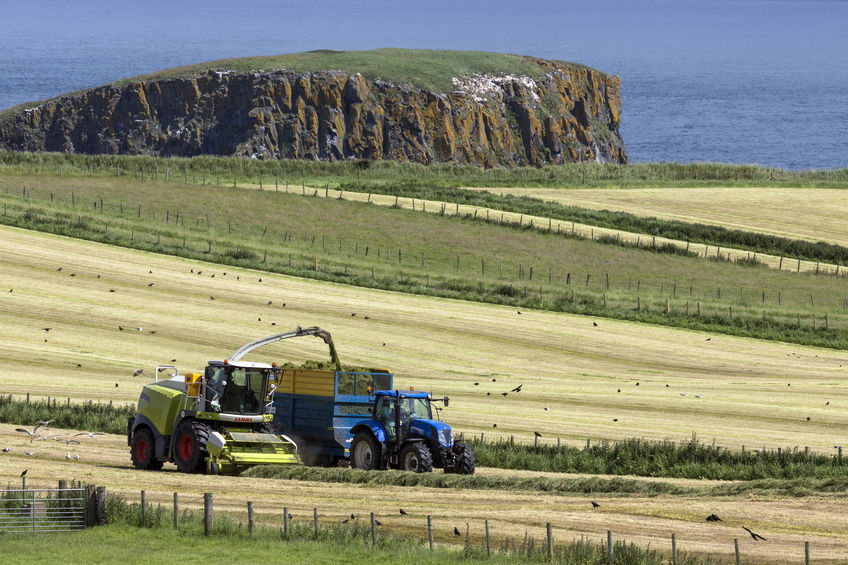
Farmers are being reminded by NFU Mutual not to compromise safety in the rush for the first silage cut of the season.
The warning comes as farmers gear up for silage season and bring out machinery to make the all-important first cut of silage whenever the weather allows.
As the machinery may not have been used for several months, NFU Mutual says machinery maintenance is a must, as well as ensuring employees are properly inducted and trained ahead of the silage season.
Hannah Binns, NFU Mutual’s rural affairs specialist, said "no cut of silage is worth someone’s life or limb".
Getting high quality silage is vital for farmers who are facing high fertiliser and energy costs, but safety must remain at the forefront of minds this silage-making season.
“Working under pressure to get crops in before the weather changes is a perennial issue for farmers, but it is a well-known fact farm incidents happen when people are tired, machinery is pushed too hard or work continues in unfavourable conditions."
NFU Mutual says farmers should checks brakes, tyres, trailer couplings, hydraulic pipes and lights, as they are an essential part of a pre-cut maintenance schedule.
And in many parts of the UK, police forces are clamping down and making more checks on trailer loads, the rural insurer says.
Andy Manson, managing director of NFU Mutual Risk Management Services, said: “If you’ve got new people on the team, it is important to make sure they are trained to operate the machinery they will be using and warned about any hazards on the farm.
“Also make sure staff know the safe working loads of trailers and don’t allow trailers to be overfilled," he explained.
Silage safety checklist
NFU Mutual has issued guidance for farmers to ensure silage is safe this year:
Before silage harvesting
• Put in place a system for keeping in contact with lone workers
• Make sure drivers are aware of the locations and heights of overhead power lines and check that your machinery will safely pass under wires and restrictions
• Make sure new staff are properly inducted and trained for the work you give them – in particular the dangers of working around farm machinery
• Put in place measures to ensure children are kept away from working areas
• Ensure trailers are road legal with fully maintained and working brakes, lights, indicators and flashing beacons
Working in the fields
• Regularly check moving parts of mowers, tedders, forage harvesters and balers, including guards and PTO shafts for wear or damage
• Carry out all recommended maintenance on schedule
• Take special care to check for following vehicles before turning right into fields or yards as this is a common cause of accidents
• Switch off engines and ensure parts have stopped before clearing blockages or carrying out maintenance - remove keys as well to prevent accidental starting
• Keep a mobile on you at all times - not left in a tractor or pick-up cab
• Take regular breaks to eat, drink and rest to stave off tiredness
Working on silage clamps
• Never overfill a silage clamp as this increases the risk of vehicles overturning when rolling or filling
• For indoor clamps, keep away for the first 72 hours as this is when dangerous nitrogen dioxide gas can form in large quantities
• If possible, use a hook or a pole to keep away from the edge of the face when unsheeting or removing tyres




