




Farming risks burnout and staff loss without cultural shift, warns report
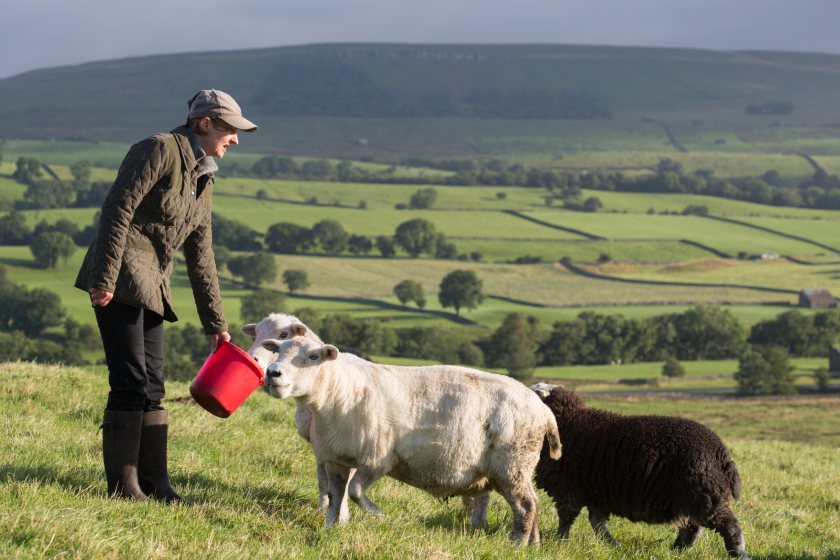
UK farming risks losing its future workforce unless it urgently changes how it treats and develops the people already working in the industry, a new White Paper has warned.
The report argues that farming’s biggest challenge is no longer a shortage of labour, but a failure of leadership, workplace culture and people management across much of the sector.
Written by Paul Harris, founder and managing director of REAL Success, the White Paper calls for a fundamental reset in how farm businesses support staff, build careers and develop leaders.
Titled Facing the Future: Why UK Farming Must Put People First, the paper says advances in technology, genetics and systems have not been matched by investment in people.
“If we want new people to enter farming, we must first change how we treat, develop and lead the people already in it,” Mr Harris said.
“Farming has upgraded heavily in technology, genetics and systems, but it has failed to invest at the same level in its people.”
The paper challenges the long-held view that people simply do not want to work in farming, arguing instead that too many businesses have failed to evolve as modern, attractive workplaces.
While progress has been made in areas such as sustainability, automation and animal welfare, the report says leadership skills, staff wellbeing, working hours, facilities and clear career pathways have often been left behind.
This imbalance, it argues, is leading to burnout, high staff turnover and a shrinking recruitment pool that masks deeper structural problems.
“The issue is not that people don’t want to work in farming,” Mr Harris said. “The issue is that we have not created farms where they can see themselves having a future.”
Drawing on examples from farms across the UK, the White Paper shows that businesses investing in leadership, communication and working conditions are already seeing measurable benefits.
These include higher productivity, improved wellbeing and greater staff retention for both employees and farm owners.
Rather than simply highlighting problems, the report sets out practical actions aimed at raising people standards across the industry.
These include treating people welfare with the same seriousness as animal welfare, improving leadership and people-management skills, and creating clearer routes into and through farming careers.
The paper also calls on processors, retailers and assurance schemes to play a role by embedding people standards into supply chains.
REAL Success said it has already worked with organisations including Marks & Spencer and Müller on such initiatives, which the paper points to as evidence that change is achievable and commercially viable.
As a result of the findings, REAL Success said it will step back from traditional recruitment services and focus instead on retention, talent development, internal capability, and HR and succession planning.
The White Paper concludes with a call to action not just for farmers, but for the wider industry and policymakers.
“If farming is to thrive in the next decade, it must become a career of choice for the next generation and for people currently working outside our sector,” Mr Harris said.
“The UK doesn’t just need more people in farming. It requires more people-centred farms.”




