




Lack of say on farms linked to poorer mental health for women
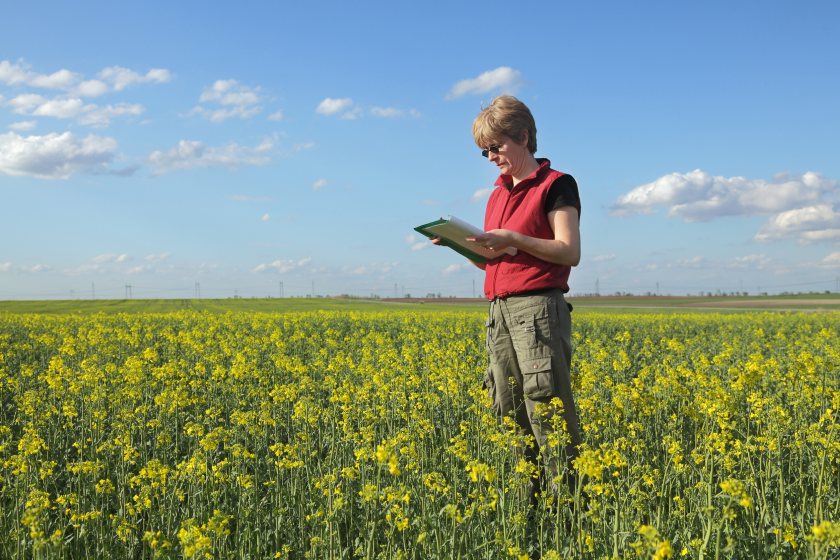
Women in farming who feel excluded from decision-making are significantly more likely to feel lonely and experience poorer mental well-being, according to new research.
The findings come from a major study by the University of Exeter’s Centre for Rural Policy Research and The Farming Community Network, based on a survey of more than 2,000 women involved in farming across England and Wales.
The survey, carried out in summer 2025, received 2,058 responses from women aged between 18 and 95, living or working on farms of different sizes and systems.
Across every age group, women in farming reported lower average mental well-being than the national population.
More than a third of respondents recorded scores indicating low well-being, while just 4% recorded scores classed as high.
Women in farming also reported higher levels of perceived stress, poorer sleep quality and worse anxiety than the general population.
Respondents pointed to a range of farm-related pressures, with isolation and loneliness, workload and work-life balance, and relationships with others emerging as the most significant stressors linked to poorer mental health.
However, the research found a clear association between involvement, recognition and improved well-being.
Women who felt valued for their contribution, had a say in decision-making, were satisfied with their social connections and felt more balanced between farm and non-farm life reported higher well-being, lower stress and reduced loneliness.
Nearly two-thirds of respondents said they had decision-making responsibility on the farm, either on their own or jointly.
Among those excluded from decision-making, dissatisfaction was common, with 39% saying they wanted more responsibility.
The researchers found that having little or no say in farm decisions was strongly associated with higher levels of loneliness, suggesting that involvement brings a sense of agency, recognition and belonging.
Despite the pressures, many women highlighted positive aspects of farming life.
Being outdoors, connection to nature, working with animals and raising children in a farm environment were all cited as benefits by the majority of respondents.
Dr Rebecca Wheeler, project lead and senior research fellow at the Centre for Rural Policy Research, said the study addressed a major gap in understanding.
“This research is the first of its kind to focus specifically on the experiences of women in farming and many women told us they appreciated the opportunity to have their voices heard,” she said.
She said the survey had provided valuable evidence about an under-researched group and how loneliness, mental well-being and everyday farming life are closely connected.
“We will be exploring these findings in more depth during the next stages of the research and are grateful to all the women who are taking part,” she added.
Linda Jones, national manager for Wales at The Farming Community Network, said the findings were both revealing and concerning.
“It is cause for concern that many women in farming experience poor sleep quality, often feel lonely, and suffer with high levels of stress and anxiety compared to the general population,” she said.
She said the link between inclusion and well-being was particularly striking.
“We can see through these survey findings a link for many women in farming between decision-making responsibilities and reduced loneliness,” she said, adding that feeling valued showed the strongest association with better mental health.
Ms Jones said FCN has been working to address isolation through its FarmWell community events, bringing farming communities together across England and Wales.
Further phases of the research, running until 2027, will include in-depth interviews and aim to develop targeted recommendations to improve support for women in farming.
The research team is currently seeking additional participants from Wales, encouraging women to share their experiences so future support reflects the specific needs of farming communities there.
As the research develops, the findings are expected to inform future approaches to farm support, community initiatives and cultural change around recognising and valuing the role of women in agriculture.




